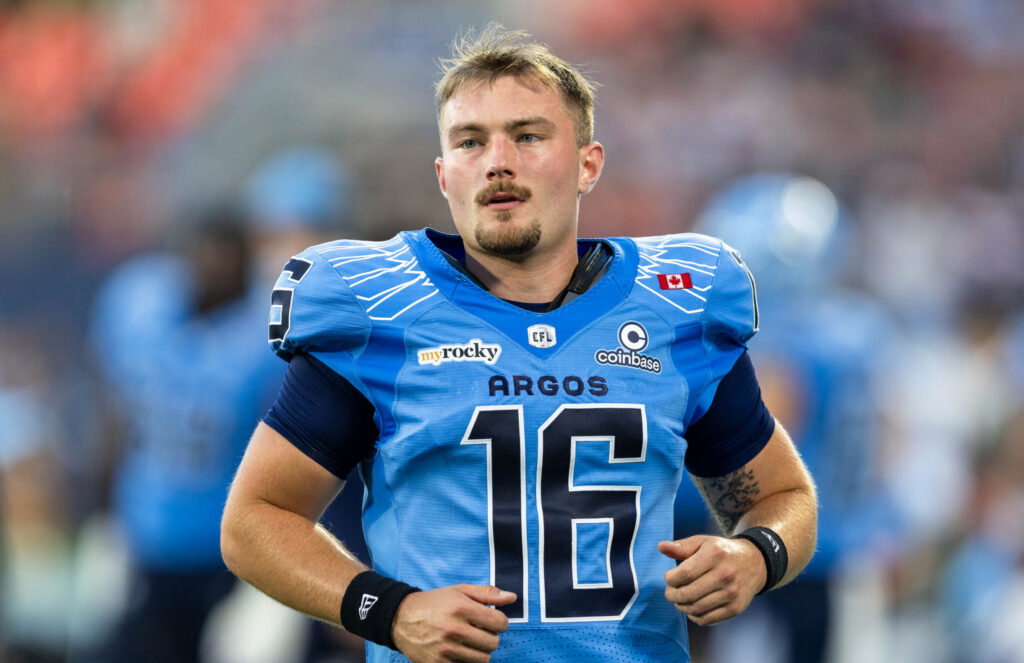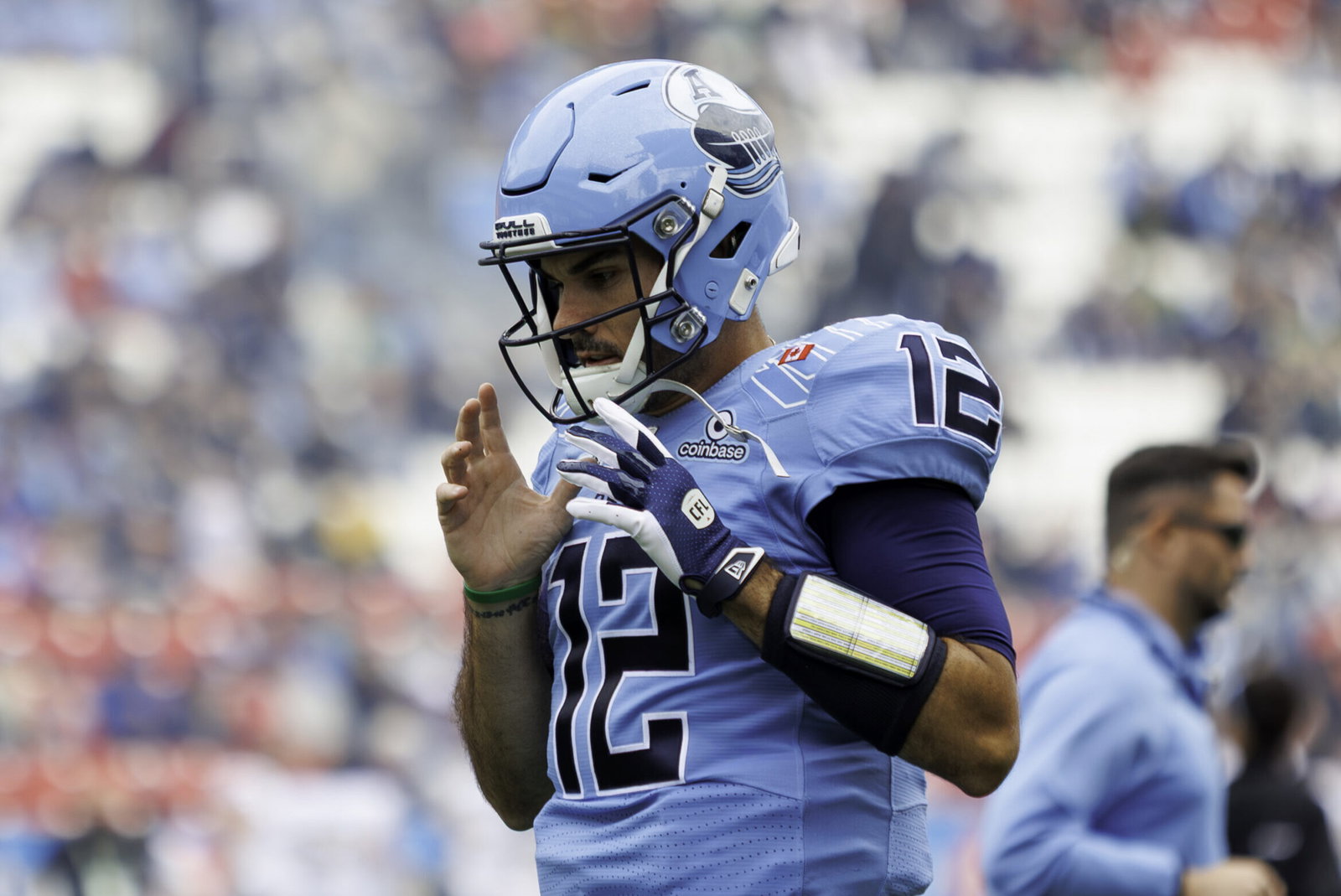
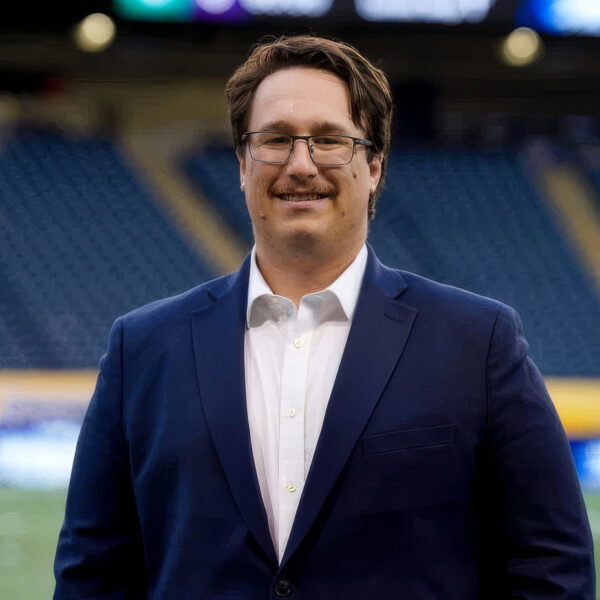
Chris Lambiris wants to change the way top-tier CFL contracts are structured.
The native of Saskatoon, Sask. has revealed he would like the option of negotiating contracts as a percentage of the salary cap, instead of raw dollars. This would protect his clients on long-term contracts in the event of future salary cap increases.
“I’ve looked at can you add language that is percentage of cap into a contract, so that if the cap goes up, the player is covered,” Lambiris told The Sportscage on Monday.
“If you’re going to sign a long-term deal, that would be five years or seven, if the CFL actually allows that. You want to sign a seven-year deal, and then all of a sudden, the cap’s $10 million. So, can you add language like that? Those are some of the things that would add sophistication to a contract.”
The CFL’s salary cap has grown to $6.33 million in recent years, and is projected to keep rising.
With a new broadcast deal signed for 2027, the cap is expected to grow substantially for 2028, which has given some players pause about signing long-term contract extensions.
It seems Lambiris shares this concern. If the salary cap grows dramatically for 2028, he wants his clients to be able to take advantage of the new money in the form of higher salaries.
“A long-term deal right now would not be good because there’s a rising salary cap potentially. There’s TV deals coming down the road. Does Halifax get a team? Does the CFL really have an increase in revenue and then cap increases? We don’t know,” he said.
“If you sign a long-term deal, you don’t have that to your advantage that in three years, when I’m up (to negotiate) again, and now the cap’s $8 or $9 million, and I’m going for 15 percent of cap, do I lose my player out on money?”
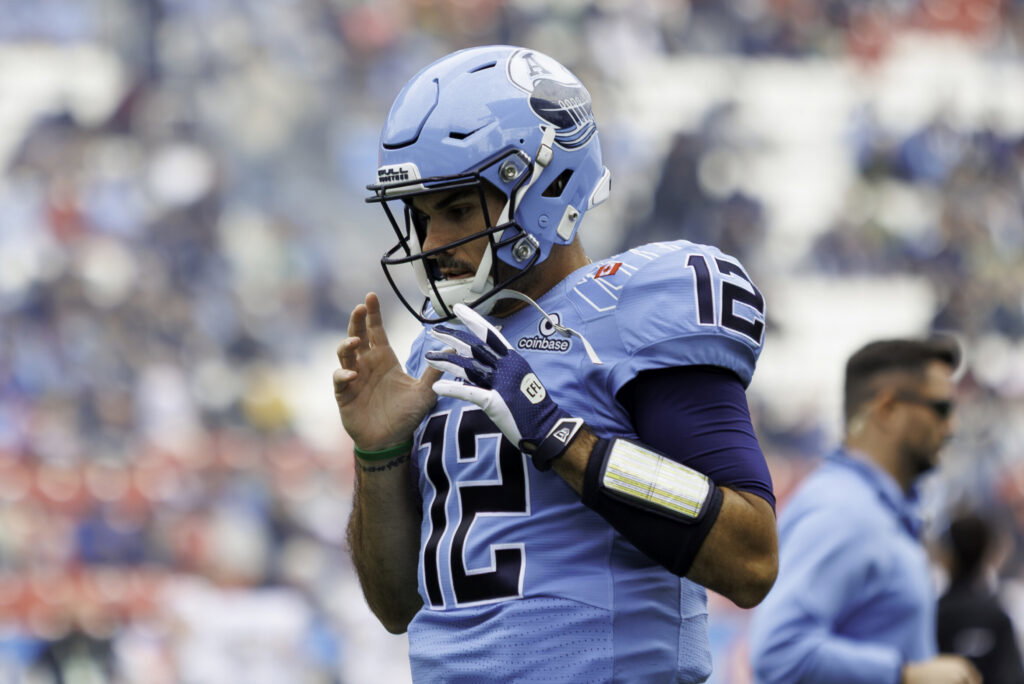
Kelly is currently the CFL’s second-highest-paid player at $625,000. Lambiris would clearly like his client to surpass Nathan Rourke, who earns $684,700, to become the league’s highest-paid player on his next deal.
“When Rourke sets the standard and becomes the highest-paid, then the next time I have a quarterback up that is deserving and capable of pushing that envelope, I want to make sure that I go that much higher than Rourke,” said Lambiris.
“Then he’s going to do the same thing when he comes up on contract. He’s going to say, ‘Hey, if Chad’s getting this much, then I have the ability to negotiate for a higher amount and become the highest-paid again,’ and that’s truly the best way that, for the sake of quarterback pay, you’re going to continue to increase it instead of keeping it static.”
Lambiris believes there could be several suitors for Kelly’s services outside of Toronto, citing the “aging demographic” of many current CFL quarterbacks.
Ryan Dinwiddie, Kelly’s former head coach, is now the head coach and general manager of the winless Ottawa Redblacks, making them an obvious option. The way Lambiris sees it, there are also two teams on the prairies that could be in search of a new franchise quarterback.
“If you’re an economics guy, you understand supply versus demand. How many teams potentially next year need quarterbacks?” he said.
“Is this Trevor Harris’ last year as a Rider? If so, the Riders have tremendous quarterbacks in the system, but can they compete for 18 games, do well in the playoffs in the pressure, and win us another Grey Cup? I don’t know. Then you start looking at Winnipeg. They’ve got a really old quarterback (in Zach Collaros). Is Dru (Brown) the answer? I don’t know.”
“We have an aging demographic, and we have a quarterback problem for supply in the CFL. That makes it a lot less difficult for me as an agent to negotiate.”
Despite pausing contract negotiations with the Argonauts, Lambiris also made it clear that Kelly is happy in Toronto and would like to continue playing there. It seems the negotiation will come down to dollars and cents.
“(Kelly) loves Toronto, he bleeds blue, and he would want to see the rest of his career out in Toronto,” he said.
“He loves the fans, he loves the community. He’s at a point in his life where he’s married, he’s a dad. There’s a lot of family in Toronto, he has a connection to Buffalo, he has a lot of family down south, so it makes sense for him to stay in Toronto, and that’s where he wants to be long-term.”


From 3DownNation Experts



Edmonton Elks
Edmonton Elks bring back Jalon Calhoun
Calgary Stampeders
Calgary Stampeders sign Jacksonville State standout Tre Stewart
Saskatchewan Roughriders
A.J. Ouellette, Kian Schaffer-Baker full participants in practice with Saskatchewan Roughriders
Saskatchewan Roughriders
B.C. Lions sign former NFL draft pick Thomas Graham, two others
Winnipeg Blue Bombers
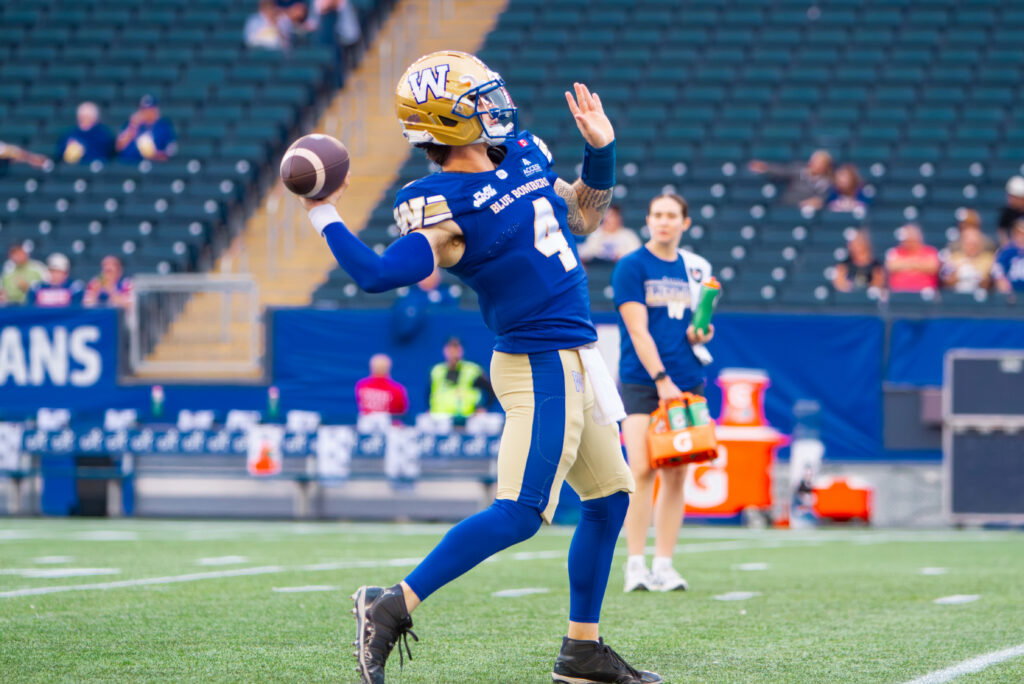
Dru Brown leads practice with Winnipeg Blue Bombers, Zach Collaros non-participant
Winnipeg Blue Bombers
Winnipeg Blue Bombers sign three, including one CFL veteran
Hamilton Tiger-Cats
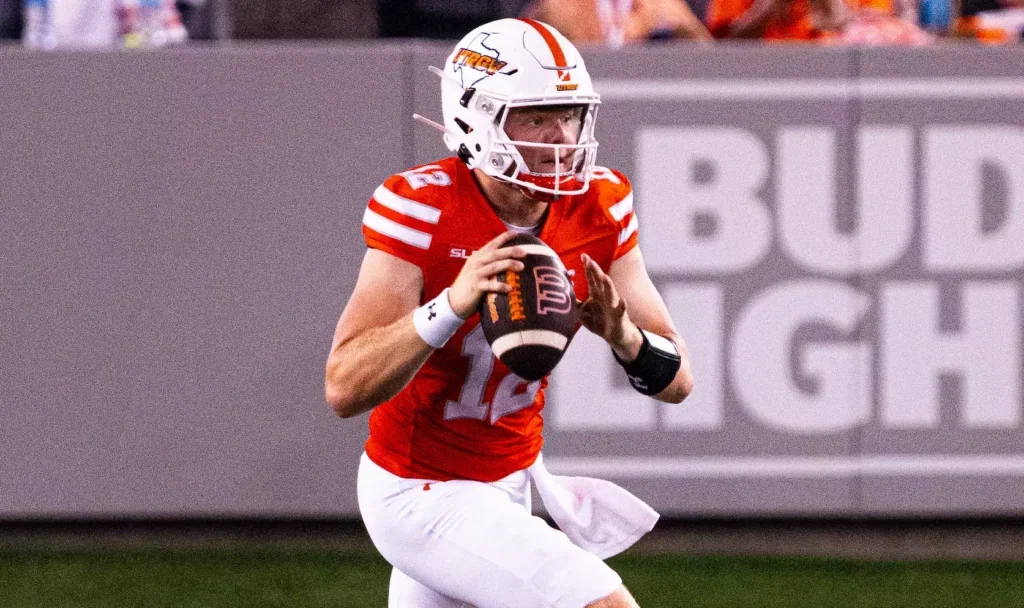
Saskatchewan Roughriders sign six players, including QB Eddie Lee Marburger
Toronto Argonauts
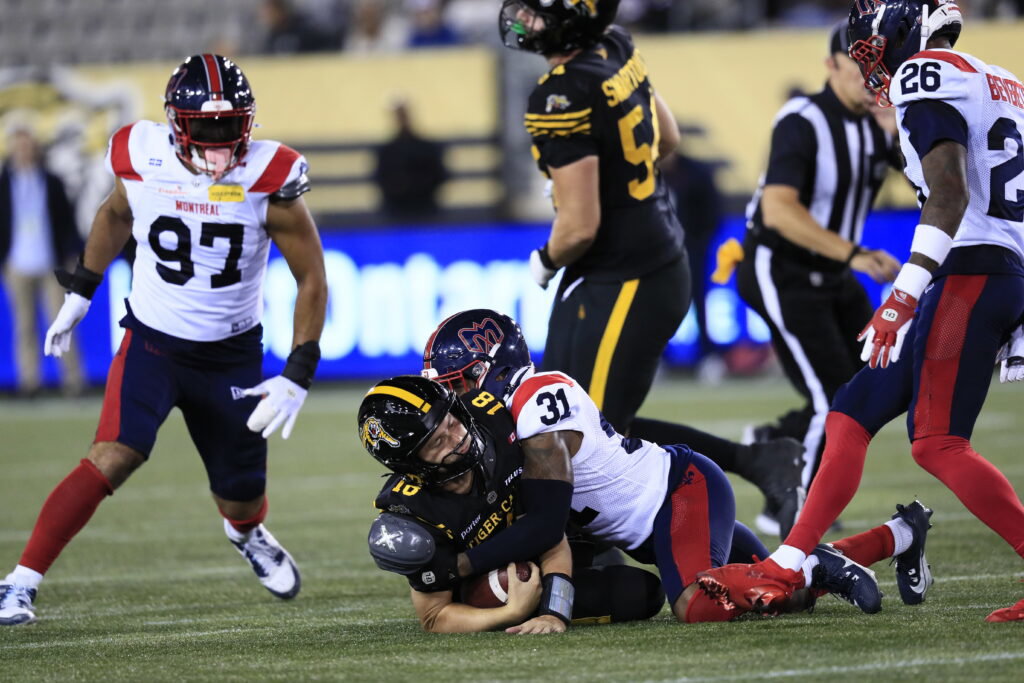
Chad Kelly’s agent hoping to change CFL status quo with next contract
Ottawa Redblacks
3DownNation CFL awards: the best and worst of Week 16
Ottawa Redblacks
Ottawa Redblacks sign three
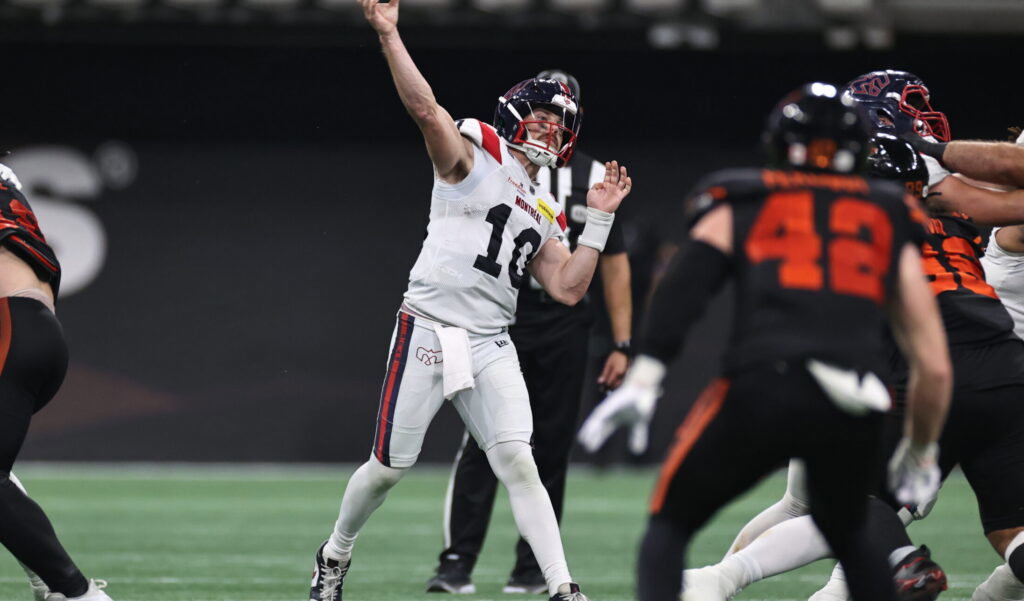
Montreal Alouettes
CFL fines three from Montreal Alouettes-B.C. Lions brawl
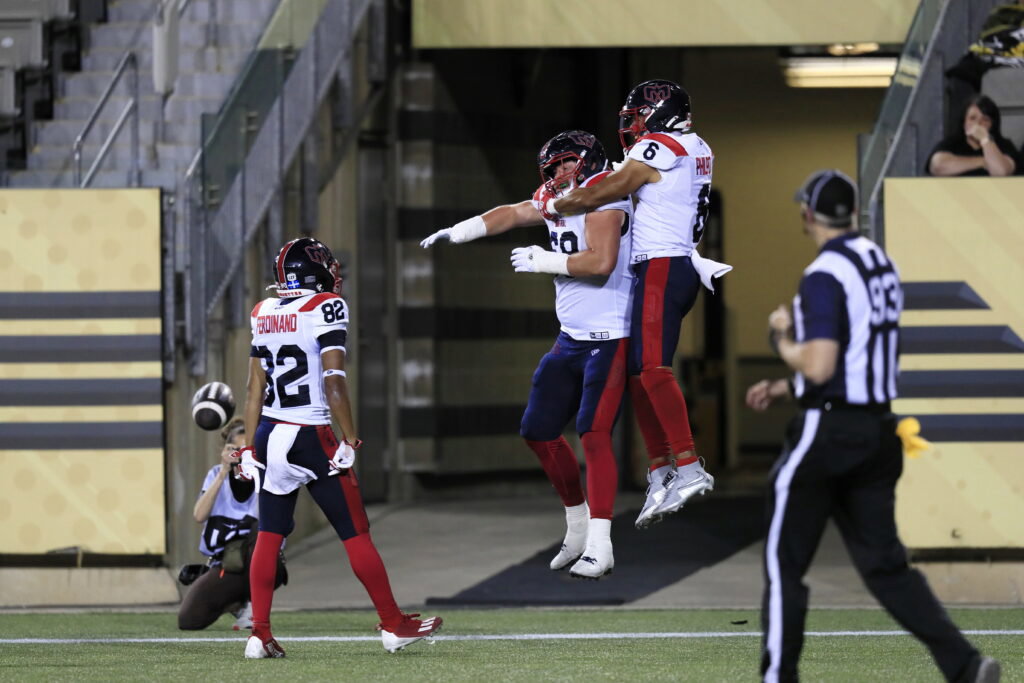
Ottawa Redblacks
Ottawa Redblacks fire vice president of football ops Shawn Burke
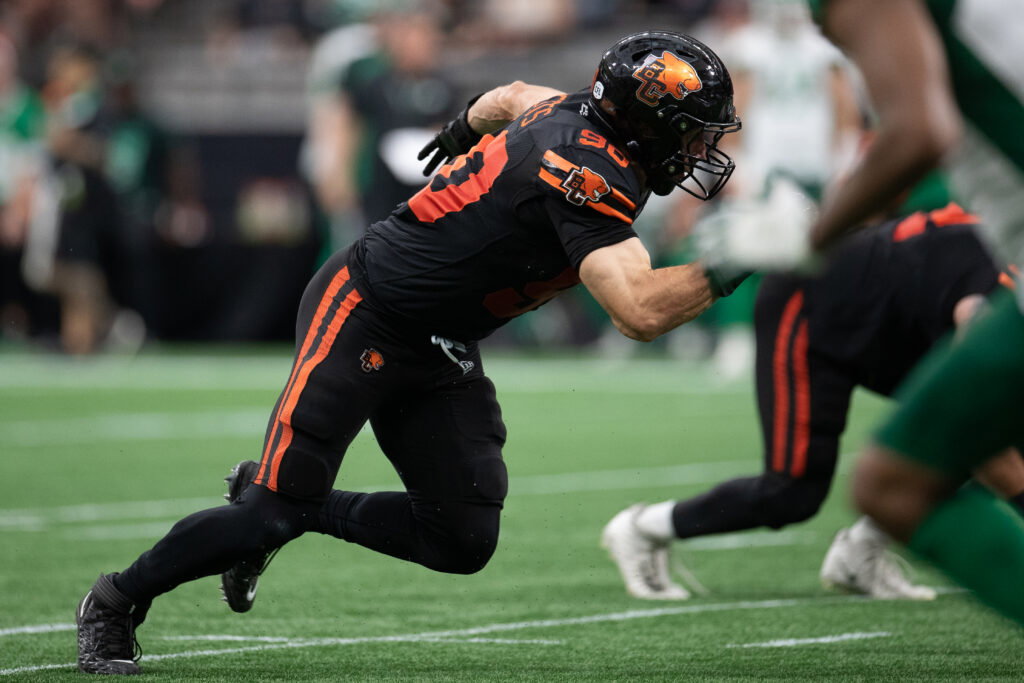

Montreal Alouettes
Montreal Alouettes become first CFL team to clinch playoff spot in 2026
Winnipeg Blue Bombers
Winnipeg Blue Bombers QB Zach Collaros leaves Banjo Bowl with injury, doesn’t return

Winnipeg Blue Bombers
3DownNation CFL power rankings: Blue Bombers rise after annihilating Alouettes