3DownNation has put in the work — down to the dollars and cents — for our publication’s annual show-me-the-money series.
Our site will unveil the Canadian Football League’s highest-paid players from each position group. It starts with the most important position in football: quarterback. Check back over the coming days for the league’s top-earning running backs, receivers, offensive linemen, defensive linemen, linebackers and defensive backs.
“Hard money” is a CFL term that refers to any portion of a contract that is paid even if a player is hurt. That can includes base salary, signing bonuses, roster bonuses, housing allowances, travel allowances, and training allowances. Marketing money, which is officially called “non-football-related services,” isn’t always guaranteed, though we’ve decided to include it in hard money for our series.
Any additional components — often referred to as “playtime” or “performance incentives” — are outlined in part or in full in the paragraph accompanying each player. These bonuses are often tied to how much a player sees the field, produces yardage, scores a touchdown, makes tackles, or whether or not they’re named an all-star.
Please note “N” denotes national players and “A” denotes American players.
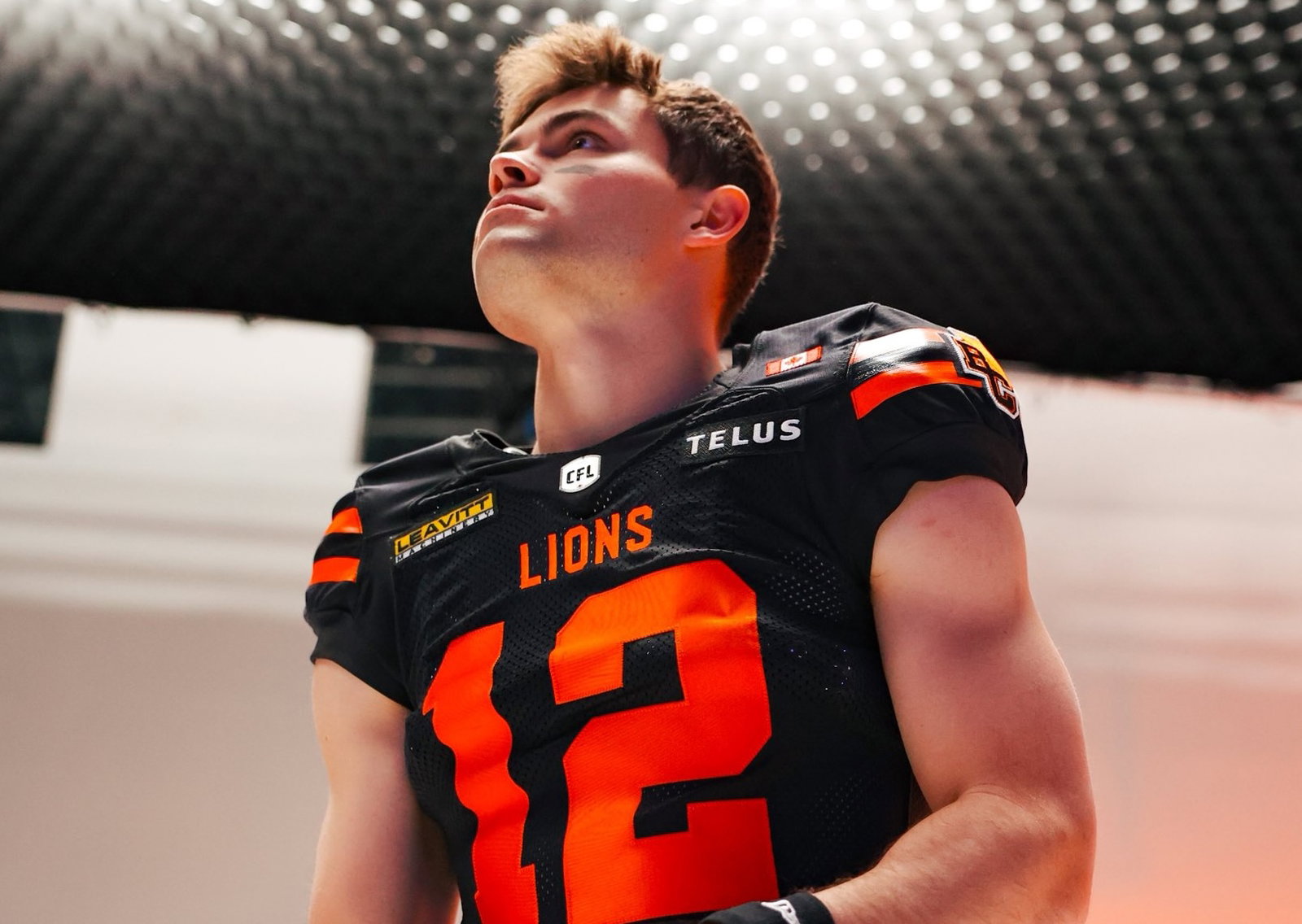
1) Nathan Rourke, B.C. Lions (N)
Hard money: $684,700
Maximum value: $684,700
The Victoria, B.C. native was the highest-paid player in the CFL last year, earning $624,200.
Rourke’s 2026 compensation comes from a $275,000 base salary, $210,000 February 5 active roster bonus, $160,000 in marketing money, $14,700 in housing, and a $10,000 training allowance. His hard money will increase in 2027 and 2028.
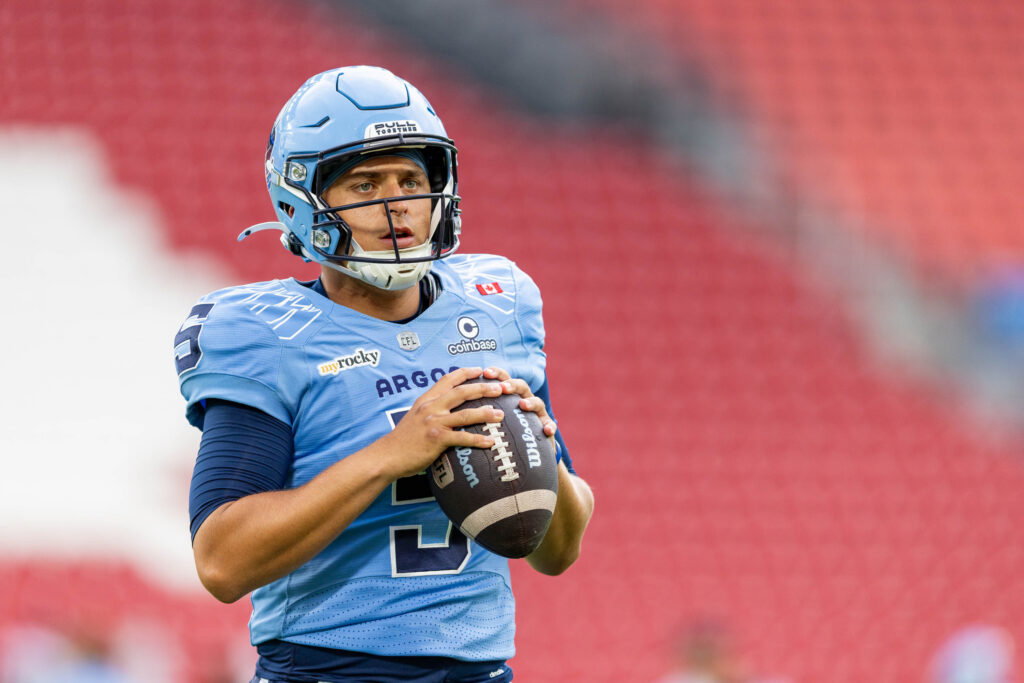
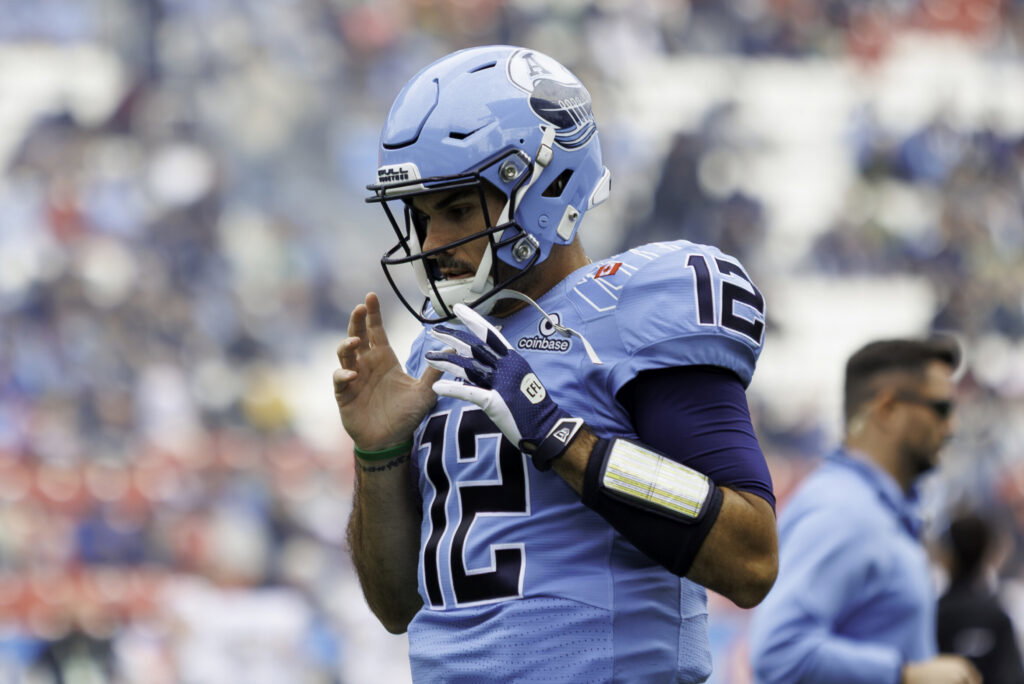
2) Chad Kelly, Toronto Argonauts (A)
Hard money: $625,000
Maximum value: $625,000
Kelly’s 2026 compensation comes from a $210,480 base salary, $160,000 February 1 active roster bonus, $125,000 in marketing money, $65,000 signing bonus, $25,000 report and pass bonus, $20,000 training allowance, $15,420 in housing, and a $4,100 training allowance.
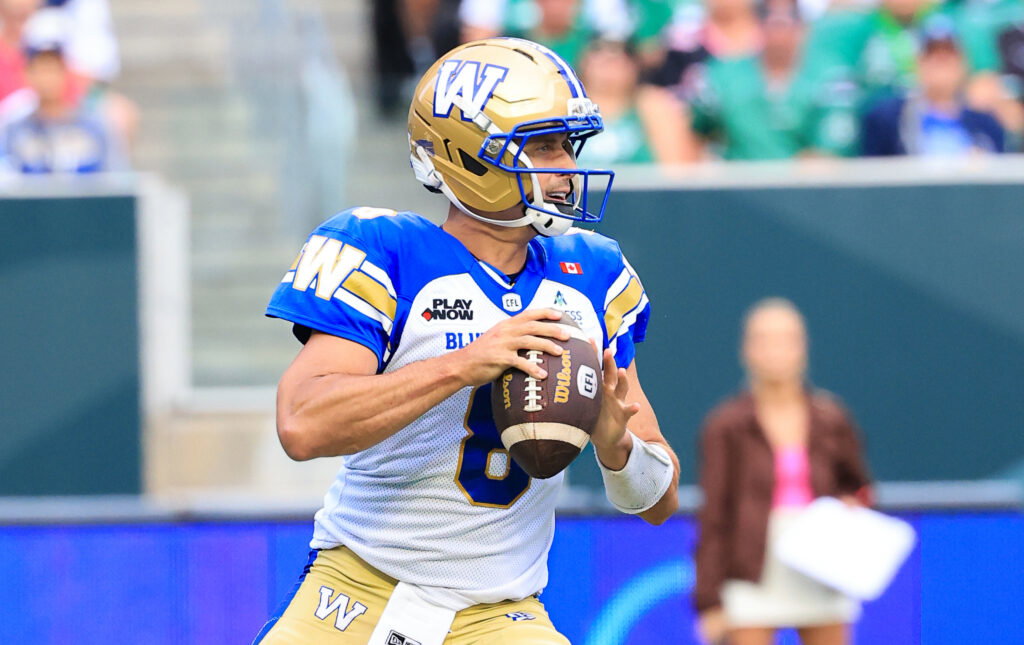
3) Zach Collaros, Winnipeg Blue Bombers (A)
Hard money: $550,000
Maximum value: $550,000
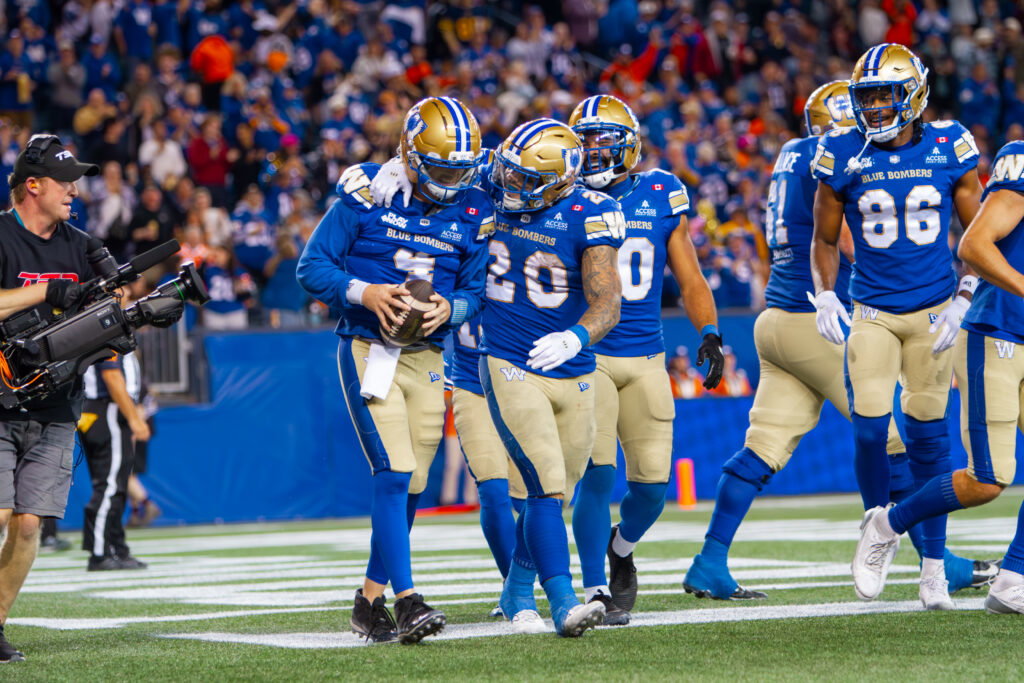
Collaros’ 2026 total comes from a $300,000 base salary, two separate $100,000 offseason bonuses on January 1 and January 15, plus a $50,000 signing bonus for taking a $50,000 pay cut.
4) Vernon Adams Jr., Calgary Stampeders (A)
Hard money: $500,000
Maximum value: $500,000
Adams Jr.’s 2026 compensation comes from a $225,000 signing bonus, $210,000 base salary, $20,000 travel allowance, $15,000 training allowance, $15,000 in marketing money, and $15,000 housing.
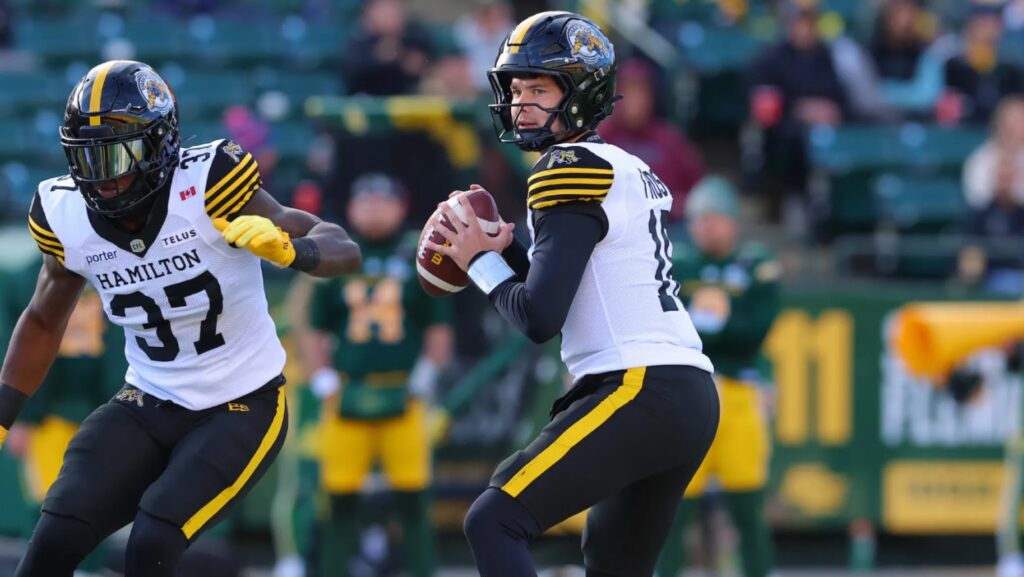
5) Bo Levi Mitchell, Hamilton Tiger-Cats (A)
Hard money: $485,300
Maximum value: $515,300
Mitchell’s 2026 compensation comes from a $210,000 signing bonus, $210,000 base salary, $40,000 in marketing money, $15,300 for housing and a $10,000 travel allowance. He has an additional $30,000 available in incentives, which can be unlocked if he makes the active roster and plays one snap in 16 games.
6) Trevor Harris, Saskatchewan Roughriders (A)
Hard money: $455,300
Maximum value: $509,300
Harris’ 2026 compensation comes from a $220,000 base salary, $190,000 signing bonus, $25,000 in marketing money, $15,300 in housing, a $5,000 travel allowance for $455,300 in hard money. He has an additional $54,000 available in playtime money — $3,000 per game for playing 51 percent of the offensive snaps.
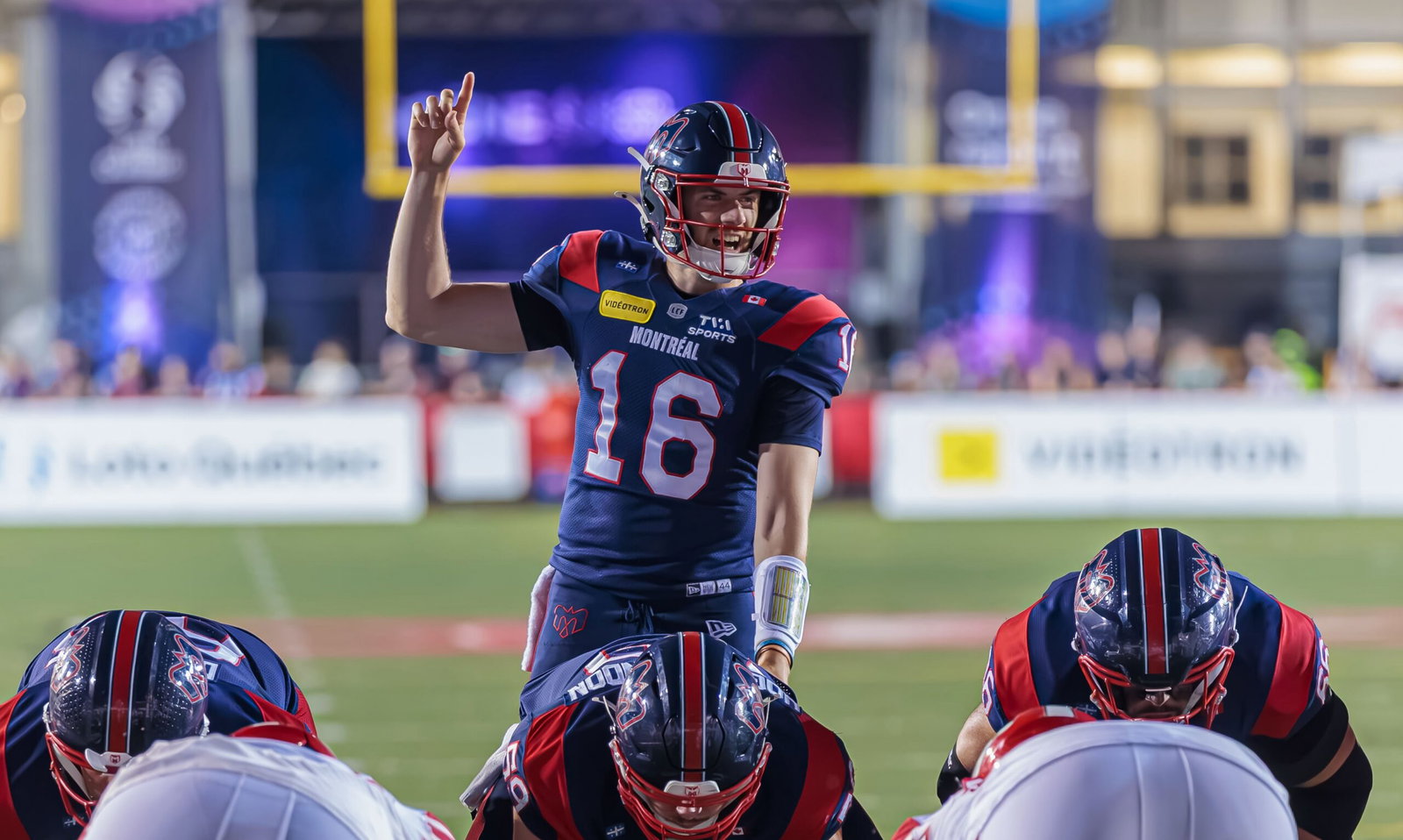
7) Davis Alexander, Montreal Alouettes (A)
Hard money: $404,000
Maximum value: $446,000
Alexander’s 2026 compensation comes from a $180,000 signing bonus, $141,080 base salary, $50,000 in marketing, $15,420 in housing, $12,500 in travel, and $5,000 in training. He has an additional $36,000 available in playtime, plus $6,000 in all-star and award incentives.
8) Cody Fajardo, Edmonton Elks (A)
Hard money: $395,500
Maximum value: $447,500
Fajardo’s 2026 compensation comes from a $190,000 signing bonus, $135,080 base salary, $35,000 in marketing money, a $20,000 travel allowance, and $15,420 in housing. He has an additional $52,000 available in active roster, statistical and award incentives.
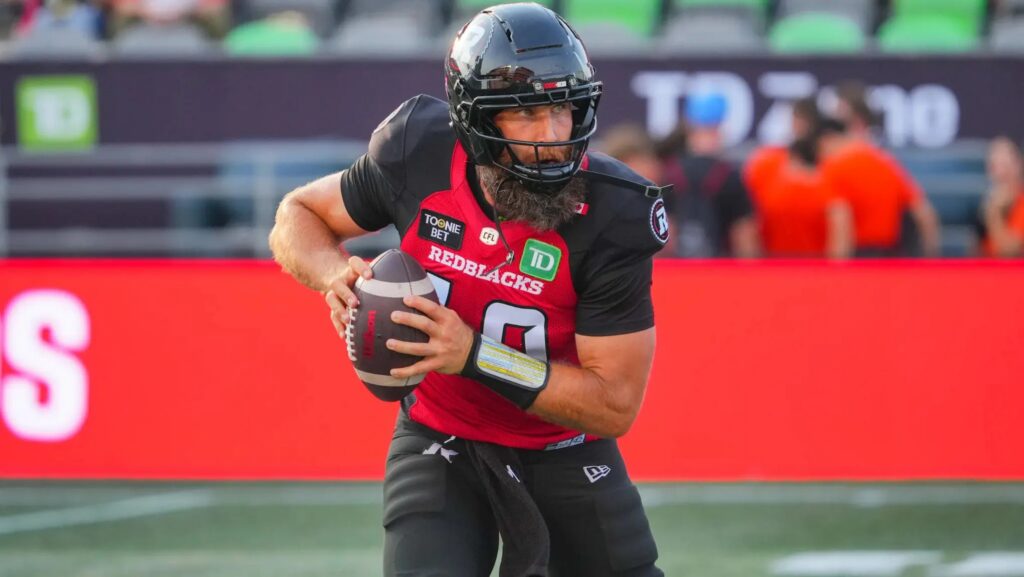
9) Dru Brown, Ottawa Redblacks (A)
Hard money: $321,000
Maximum value: $387,000
Browns’s 2026 compensation comes from a $150,000 signing bonus, $131,000 base salary, $15,000 in marketing money, $15,000 in housing, and a $10,000 travel allowance. He has an additional $66,000 available in playtime, statistical, all-star and award incentives.
10) Jake Maier, Ottawa Redblacks (A)
Hard money: $200,000
Maximum value: $263,000
Maier’s 2026 compensation comes from a $94,600 base salary, $75,000 signing bonus, $15,400 in housing, $7,500 travel allowance, and $7,5000 in marketing money. He has an additional $63,000 available in playtime, statistical and award incentives.
11) Taylor Powell, Edmonton Elks (A)
Hard money: $145,000
Maximum value: $220,500
After earning $89,500 with Hamilton in 2025, Powell garnered a $55,500 hard-money raise from Edmonton to sign in the Alberta capital.
12) Dustin Crum, Montreal Alouettes (A)
Hard money: $140,000
Maximum value: $202,000
After earning $105,000 in hard money plus at least an additional $18,000 in playtime cash with Ottawa in 2025, Crum received a $35,000 hard-money raise from Montreal to go to La Belle Province and back-up Davis Alexander.
13) Nick Arbuckle, Toronto Argonauts (A)
Hard money: $135,000
Maximum value: $195,000
Arbuckle earned $130,000 in hard-money plus an additional $50,000 in playtime cash last season with the Argos.
14) Tre Ford, Hamilton Tiger-Cats (N)
Hard money: $130,000
Maximum value: $262,000
After earning $257,000 in hard money plus at least an additional $18,750 in playtime cash with Edmonton in 2025, Ford took a pay cut going from a projected starter to Bo Levi Mitchell’s backup.


From 3DownNation Experts

B.C. Lions
2026 CFL team award-winners unveiled
Edmonton Elks
Royce Metchie wins Edmonton Elks’ David Boone Award
Calgary Stampeders
Week 21 to decide CFL playoff fates of Stampeders, Roughriders, Blue Bombers
Saskatchewan Roughriders
Saskatchewan Roughriders to start Jack Coan, rest Trevor Harris against Elks
Saskatchewan Roughriders
Saskatchewan Roughriders release three
Winnipeg Blue Bombers
Jonathan Moxey returns for Winnipeg Blue Bombers against B.C. Lions
Winnipeg Blue Bombers
Winnipeg Blue Bombers neg list QB Diego Pavia plans to join UFL
Hamilton Tiger-Cats
Mike Morreale reviewing future of Ryan Dinwiddie with Ottawa Redblacks
Hamilton Tiger-Cats
Hamilton Tiger-Cats extend Liam Dobson
Toronto Argonauts
3DownNation CFL best bets: Week 21
Toronto Argonauts
Toronto Argonauts make 15 roster changes against Alouettes
Ottawa Redblacks
Ottawa Redblacks bring back Canadian defender
Montreal Alouettes
Montreal Alouettes change four starters for regular-season finale
Montreal Alouettes
Montreal Alouettes sign Lewis Ward, release two
Winnipeg Blue Bombers
Winnipeg Blue Bombers place Zach Collaros on six-game injured list
Toronto Argonauts
Chad Kelly’s agent hoping to change CFL status quo with next contract

B.C. Lions
B.C. Lions to host 2026 CFL West Semi-Final
Montreal Alouettes
Montreal Alouettes bring back veteran Dylan Wynn
Saskatchewan Roughriders
Kian Schaffer-Baker, A.J. Ouellette return for Saskatchewan Roughriders in B.C.
Saskatchewan Roughriders
Saskatchewan Roughriders, Winnipeg Blue Bombers can clinch playoff spots in Week 20
Saskatchewan Roughriders
Saskatchewan Roughriders can clinch CFL playoff berth in Week 17