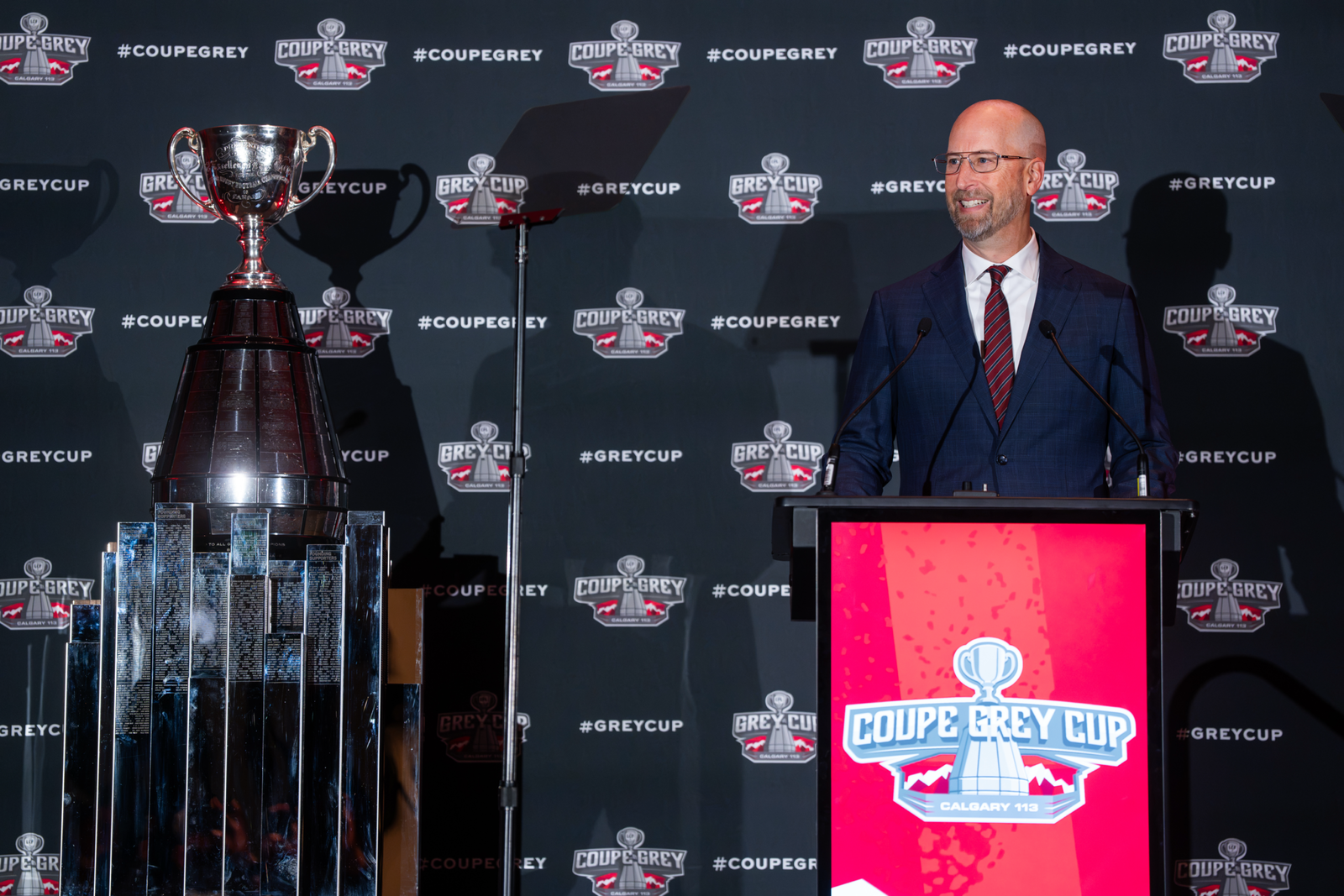
The Canadian Football League experienced a decline in some key metrics used to measure success in 2026, but commissioner Stewart Johnston does not appear concerned with the results.
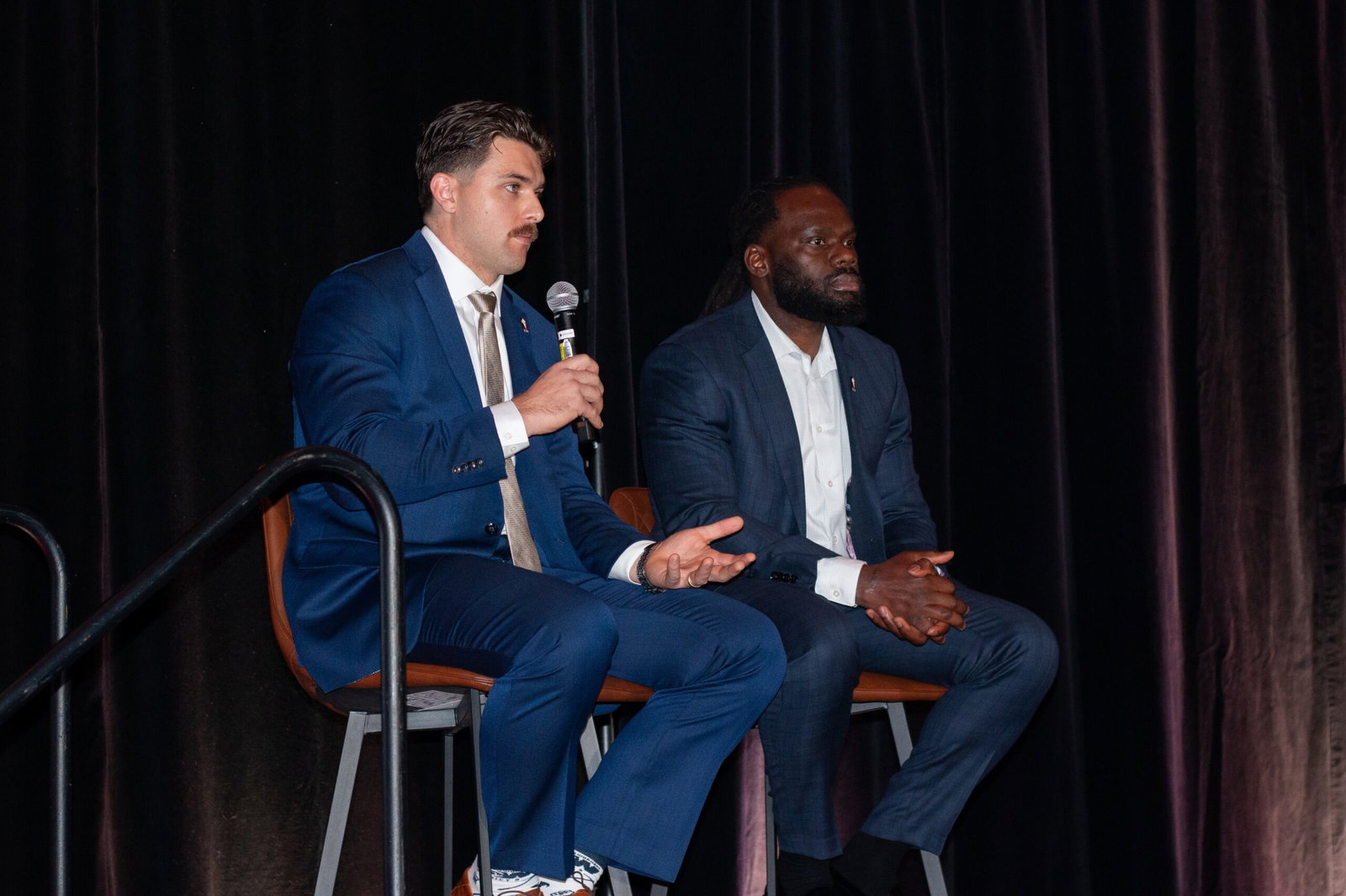
“Unprecedented competition for sports fans, along with the displacement of two of our clubs, affected our results,” he said during his State of League address on Friday, referencing the 2026 FIFA World Cup in Toronto and Vancouver.
“Attendance was down one percent, and average television audiences declined seven percent, although they still remained well above half a million viewers per game. But those numbers do not tell the whole story.”
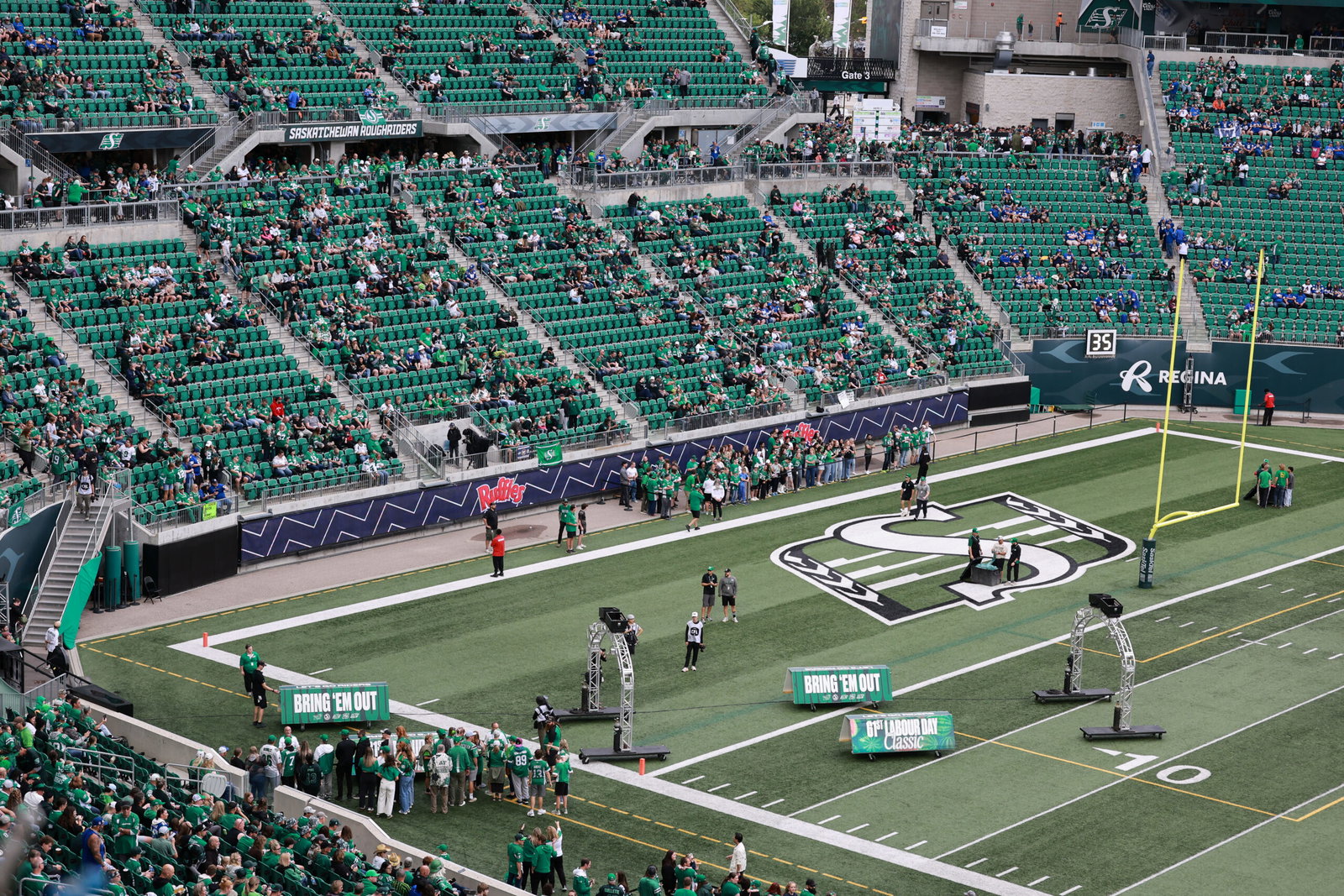
An average of 22,578 fans attended regular-season games this year, which is down 1.6 percent from 22,942 in 2025. Those numbers are abnormally skewed because Toronto, which averages the lowest attendance in the league, played three home games on the road in Regina, Winnipeg, and Hamilton, three of the CFL’s strongest markets. On the flip side, the B.C. Lions experienced a 13.9 percent drop in attendance, in large part due to two games played in Kelowna at a reduced capacity. Saskatchewan, Edmonton, and Montreal saw attendance increase.
Attendance figures are self-reported by teams across the league, while television viewership numbers are not made available publicly. Neither figure can be independently verified.
The same is true of several other metrics touted by Johnston, which paint a much rosier picture of the league.
“Game day revenues still increased two percent, our fourth consecutive year of growth coming out of COVID. Viewership among 18- to 24-year-olds grew 16 percent,” he said.
“During the regular season, CFL content generated 11 million views on YouTube, up 77 percent year-over-year. Instagram video views reached 45 million, up 153 percent. Instagram engagement grew 26 percent, and our TikTok following increased 111 percent. Through initiatives like Grey Cup All Access and the start of the CFL YouTube Creator Program, we are introducing more people to our league in more ways than ever before.”
All of those positive trends peaked in the postseason, allowing the CFL to end the year on a high note.
“If there was ever any doubt about the momentum of this league, this year’s playoffs have provided the answer,” Johnston claimed. “Nearly 110,000 fans attended our four playoff games, including a sold-out Eastern Final in Montreal and more than 40,000 fans at the Western Final in Edmonton. Across those four games, our broadcasts delivered an average minute audience of more than 1.1 million viewers, an eight percent increase over last year.”
The Edmonton Elks experienced the largest attendance bump in the CFL this year, improving by 17.7 percent. Their victory last week at Commonwealth Stadium featured the largest crowd of the season by any team. The game will not be knocked out of top spot, as it exceeded the maximum capacity of the 113th Grey Cup in Calgary, which has yet to sell out.
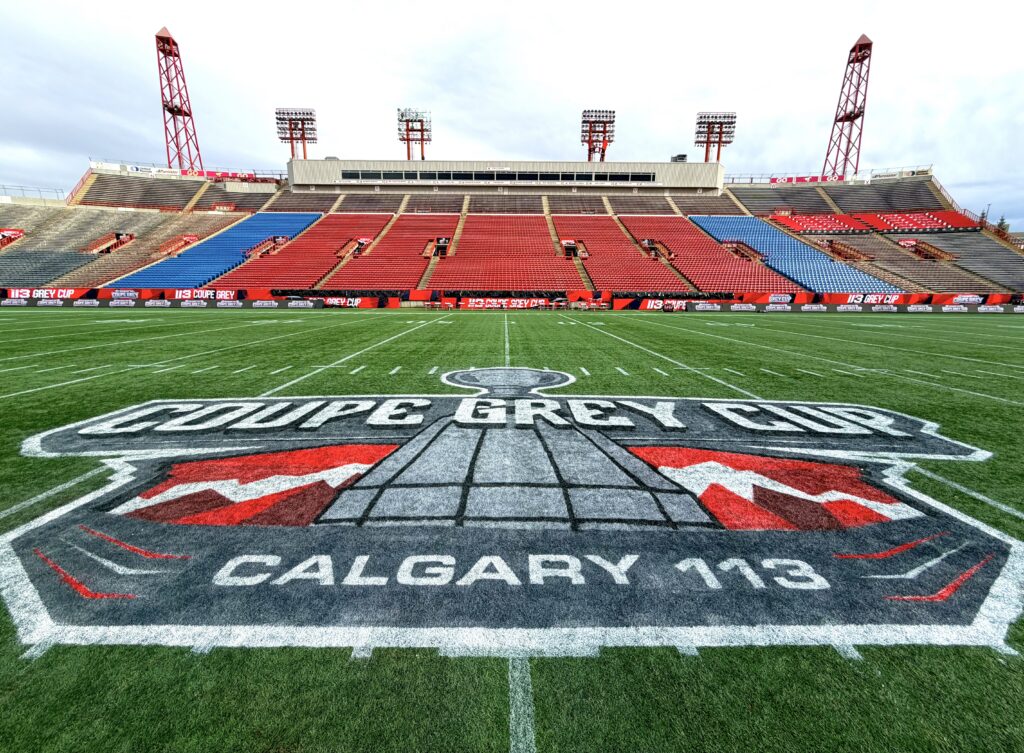
It remains to be seen how full McMahon Stadium will be on Sunday, but the hope is that the Elks and Alouettes can deliver a classic on the league’s largest stage. Pending the result, Johnston seems positive about the CFL’s outlook heading into a new era.
“That is real momentum carrying us into Grey Cup this week. The football itself gave fans every reason to stay with us,” he said. “60 percent of our games were one-score contests within the last three minutes. That is Canadian football. No lead is safe. No result is assumed. That’s entertainment.”


From 3DownNation Experts





Edmonton Elks
3DownNation CFL best bets: Grey Cup

Edmonton Elks
Cody Fajardo to reassess CFL future after Grey Cup


Saskatchewan Roughriders
CFL commissioner Stewart Johnston urges City of Regina to reconsider stitched turf at Mosaic Stadium

Saskatchewan Roughriders
Time with Roughriders helped Cody Fajardo ‘grow up,’ figure out how to be starting CFL quarterback

Winnipeg Blue Bombers
Mike O’Shea concerned with Winnipeg Blue Bombers’ lack of scoring

Hamilton Tiger-Cats
Shawn Lemon, Simoni Lawrence joining DAZN’s CFL broadcast team
Hamilton Tiger-Cats
Hamilton Tiger-Cats add QB Will ‘Goose’ Crowder to negotiation list

Toronto Argonauts
Toronto Argonauts bring back Monkell Goodwine

Toronto Argonauts
Toronto Argonauts bring back practice roster defensive lineman



B.C. Lions
B.C. Lions to host 2026 CFL West Semi-Final

Saskatchewan Roughriders
Riders get what Corey Mace wanted, but beware the Lions at BC Place (& other thoughts)

Saskatchewan Roughriders
Saskatchewan Roughriders to start Jack Coan, rest Trevor Harris against Elks

Toronto Argonauts
Toronto Argonauts make 15 roster changes against Alouettes
Montreal Alouettes
Montreal Alouettes sell out East Final
Winnipeg Blue Bombers
Winnipeg Blue Bombers clinch final 2026 CFL playoff spot
Saskatchewan Roughriders
Saskatchewan Roughriders could play Trevor Harris despite playoff clinch


Saskatchewan Roughriders
Saskatchewan Roughriders release three
Toronto Argonauts
Chad Kelly becomes first $1 million player in CFL salary cap era

B.C. Lions
B.C. Lions bring back Tomasi Laulile

Calgary Stampeders
Week 21 to decide CFL playoff fates of Stampeders, Roughriders, Blue Bombers