Training camps are a mechanism for CFL franchises to evaluate players and construct the best possible team, but the league’s current roster rules are making that more difficult than it needs to be.
Don’t believe me? Just ask the coaches themselves.
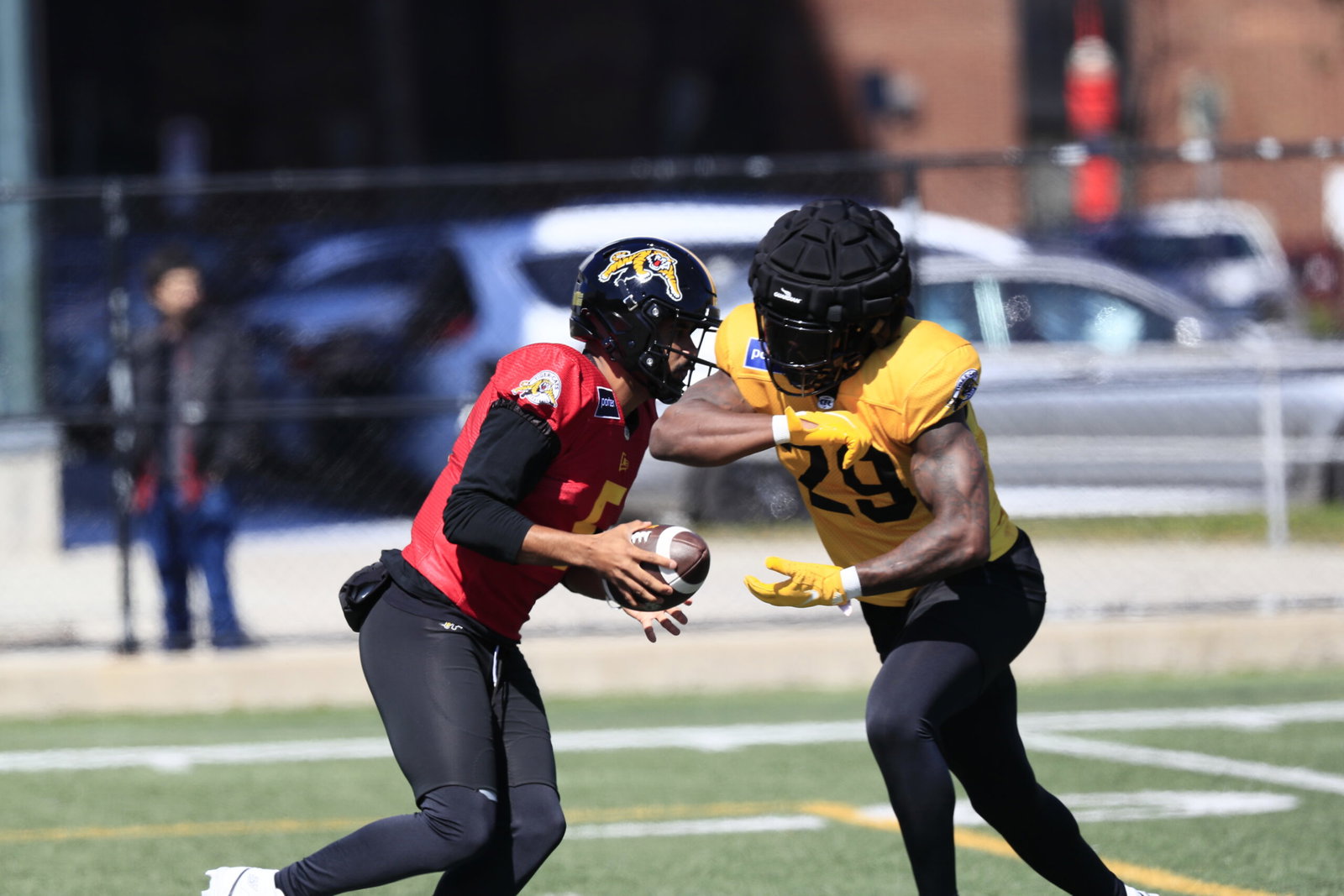
“Especially in a situation like this (mandatory roster cut) and the last one, the guys got two days of practice. It’s just the way that the CBA is written right now, and we have to abide by it, but you feel badly for those guys,” Hamilton Tiger-Cats head coach Scott Milanovich told the media after trimming his roster this week.
“You know you might not be making the right choice, and I tell them that, but I also tell them why we made the decision we made. Sometimes they don’t like hearing it, but at least they know I’m being honest with them.”
Anyone who’s been around pro football decision-makers will tell you that the majority aren’t particularly forthright with their fallibility. A respected head coach admitting he has no clue if he’s making the correct roster decisions should be enough to alarm any fan or analyst about the modern training camp format.
The challenges facing teams stem from the requirement that they make two rounds of cuts before the first postcards from training camp have been delivered via express mail. Teams were allowed to open rookie camp on May 6 with up to 100 players under contract, plus non-counters — draft picks entering their first camp, territorial exemptions, and two undrafted Canadians — and up to two injured veterans. By the end of May 9, the number of “counters” had to be reduced to 85.
Main camp commenced for the remaining players on May 10, but another swing of the axe came on May 12 when rosters had to shrink to 75 players. Given that padded practices aren’t even allowed until that same day, it is clear that the up to 25 players released per team aren’t really being given a fair shake.
“Guys need to remember that when the CFL is selling you on that big opportunity, almost all of these teams will fly 10+ guys home after 5 days or less,” one CFLPA registered player agent, Mark Bailey, wrote in response to a B.C. Lions’ social media post announcing their cuts. “The rookies that stay get to work for free for the next month.”
The point is well taken. While veteran players receive a modest weekly stipend tied to their years of service, newcomers to the CFL don’t earn a dime until after they’ve made a final roster. Those who do and stick around for 48 hours after the final cutdown date receive a one-time payment of $300 for their training camp troubles. Whoop-di-doo.
These same players absorb a significant risk to their physical health in the pursuit of a roster spot and have little protection in the event of injury, which will almost always result in them being released and replaced. The least the league could offer in return is a meaningful chunk of time to learn this new style of football and make an actual impression, but many are given an apple and a road map before even sniffing a preseason game.
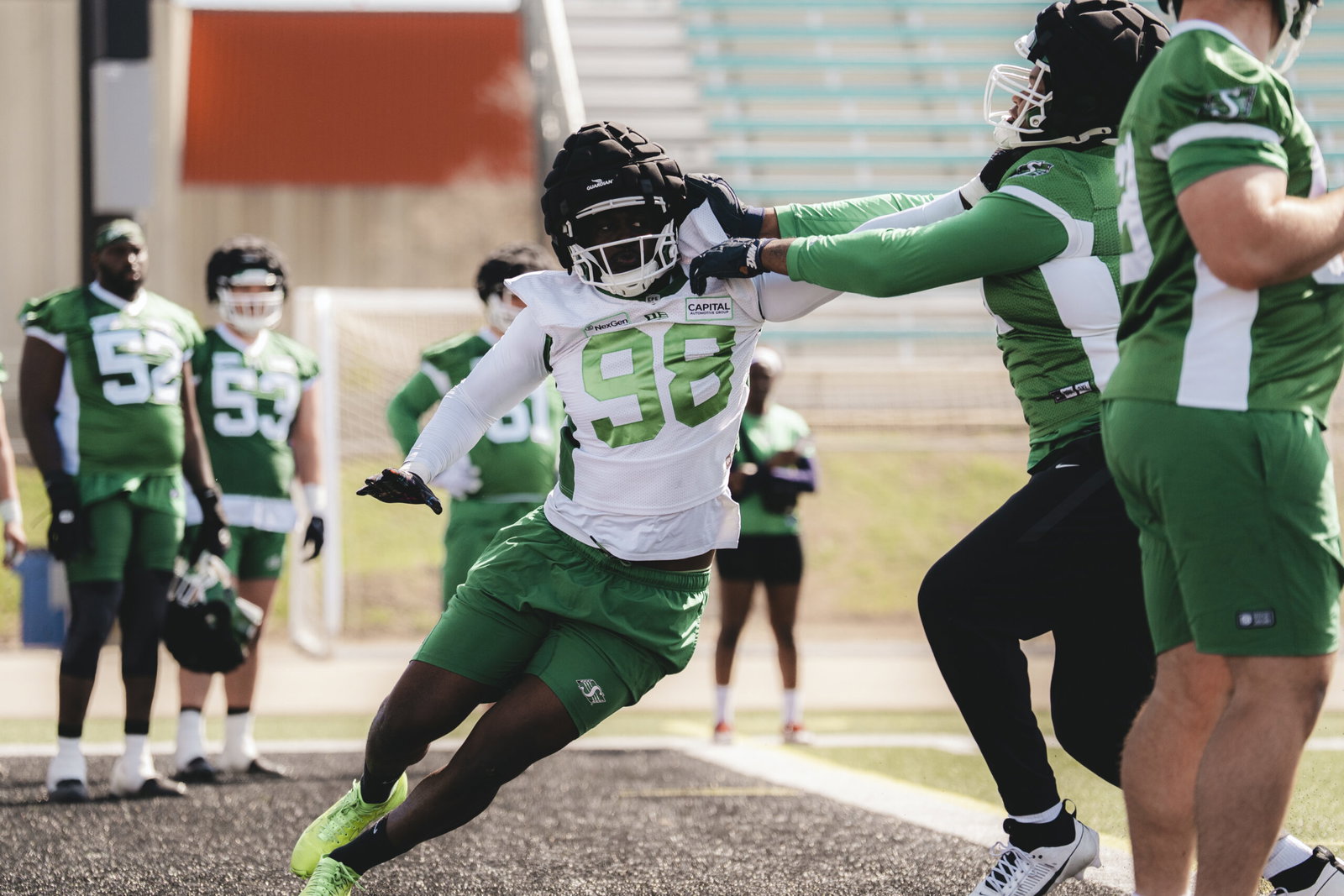
On the team side, such condensed timelines mean that veterans have a serious edge. Pre-existing evaluations matter a ton when all you’ve been able to do is watch a guy run around in his helmet, and a last-man-signed, first-one-cut policy is typical. Rookies don’t have a chance to disrupt the status quo, even those with notable NFL resumes, as Saskatchewan Roughriders’ head coach Corey Mace highlighted when explaining his decision to cut former L.A. Rams running back Darrell Henderson Jr.
“Just a little bit of familiarity. He’s a really good dude and, obviously, an illustrious career, but we just kind of stuck with the guys that we felt were giving us the best shot. It’s unfortunate. You would love to see him (in a preseason game), but the way that the rules are implemented for us right now, you’ve got to get down to a certain number,” Mace told reporters.
“It’s just tough the way that our league’s set up currently, having to make those cuts so early. But it has to be done.”
So, why are things the way that they are? On this issue, there isn’t much mud to sling at commissioner Stewart Johnston or the brain trust at the CFL front office. Training camp roster limits are enshrined in the collective bargaining agreement, and the current rules are in place because the Canadian Football League Players’ Association wants them to be.
The union, which has also forced stricter definitions for the non-counter rules at the expense of Canadian player development, has no vested interest in giving incoming rookies more than the most basic protections. Their voting members are the athletes that the newcomers are attempting to replace, so capping the competition is good for business. It just isn’t good for the CFL.
Supporters of the current structure will argue that reps are so finite that carrying 100 bodies throughout training camp is meaningless, as they can’t be properly evaluated anyway. But more opportunities to assess players and allow them to grow is always a positive, especially in an era where the CFL’s pool of incoming prospects has been drastically altered by NIL, the transfer portal, and spring football south of the border.
Even the NFL knows that early camp cuts are a bad idea. That league did away with gradual cuts after the 2023 campaign, allowing teams to carry full 90-man rosters through the entire preseason. Ironically, CFL teams benefit from being able to evaluate their future players for longer and in more competitive settings due to that change, but don’t get the same benefit in their own training camps.
The players are the ones getting the shortest end of the stick. The defensive back struggling to adjust to the waggle after three days might just be the best ball hawk in the secondary after three weeks, but will never get the chance to show it. The legendary stories told about marquee names stealing a job with a few preseason reps will never become their reality. Their lifelong dream might be over before the stamp on their passport has dried, and the emotions are raw when they get the news.
“Some guys get mad, some guys get upset, some guys tear up. It just kind of depends on the personality,” Milanovich said. “These ones are hard because they don’t often feel like they got a good chance to show what they can do. I get that, and I agree with them, but it’s kind of the way it goes here.”
It shouldn’t be. If the CFL wants to sell itself as a league of opportunity, it needs to ensure all of those opportunities are legitimate. If the CFLPA wants to be the voice for players, it needs to speak as loudly in the interests of those who have never played a game as it does for the vested veterans.
And, for goodness sake, at a bare minimum, pay the poor souls putting their bodies on the line something for their trouble.






Calgary Stampeders
Calgary Stampeders release Montréal product Kaylyn St-Cyr, nine others

Calgary Stampeders
Calgary Stampeders looking for Love in backup QB battle

Saskatchewan Roughriders
Opinion: CFL training camp cutdown structure hinders ‘right choice’ for roster spots
Saskatchewan Roughriders
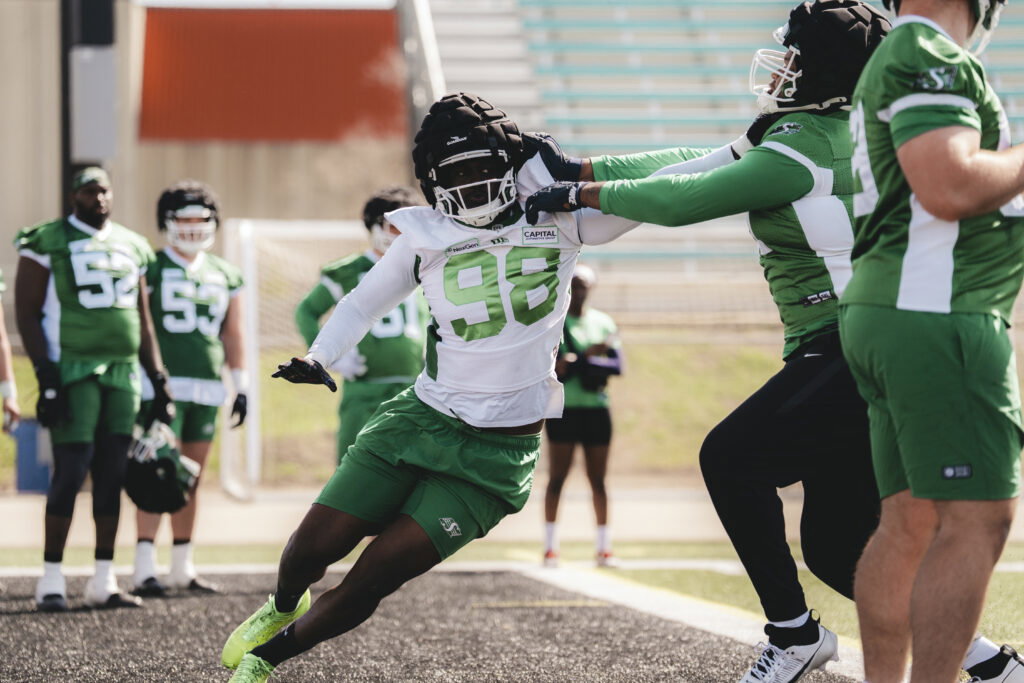
Saskatchewan Roughriders’ CFL rookie Desmond Evans draws comparison to Willie Jefferson
Winnipeg Blue Bombers
Winnipeg Blue Bombers release Graceland University star Gerald Monroe

Hamilton Tiger-Cats
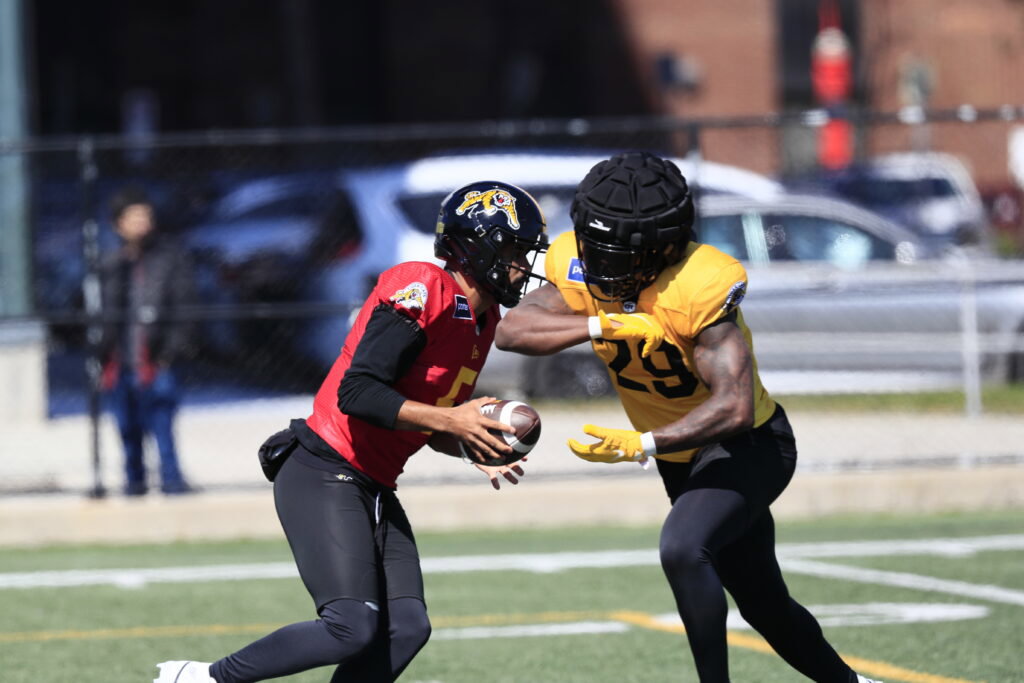
Hamilton Tiger-Cats sign North Carolina cover man Gavin Gibson, release one

Toronto Argonauts
Toronto Argonauts cut incumbent starter Spencer Brown, nine others
Toronto Argonauts
Toronto Argonauts sign Alex Teubner after release from B.C.


Ottawa Redblacks
Ottawa Sooners building star-studded CFL coaching staff in CJFL


Winnipeg Blue Bombers
CFL star Brady Oliveira criticizes new playoff format



B.C. Lions
Analyzing every pick in the 2026 CFL Draft


Calgary Stampeders
Minnesota Vikings waive All-CFL defensive lineman Jaylon Hutchings



Saskatchewan Roughriders
Plaza of Honour inductee Paul McCallum ‘never would have left Saskatchewan’ if not for one person

Winnipeg Blue Bombers
The CFL’s highest-paid running backs and fullbacks in 2026


Ottawa Redblacks
Ottawa Redblacks fined for exceeding 2025 CFL salary cap


B.C. Lions
The CFL’s highest-paid receivers in 2026


From 3DownNation Reporters