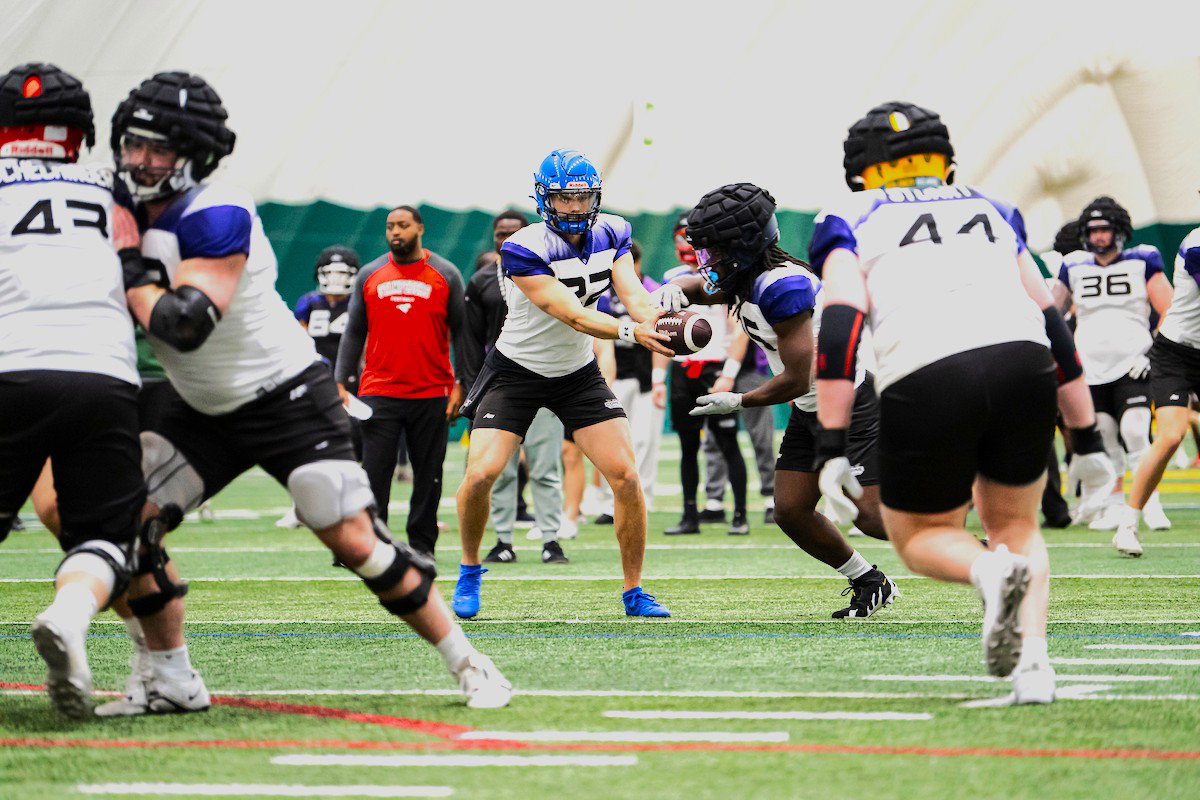
The 2026 CFL Combine wrapped up on Sunday in Edmonton, concluding four days of measurements, medical checkups, interviews, physical testing, and on-field competition.
The CFL’s unique evaluation format provides an in-depth audition for players, allowing them to demonstrate both their athleticism and football acumen in an intensive environment. Some thrive under the microscope, cementing themselves as top picks or earning better opportunities. Others struggle to adjust to the biggest weekend of their lives, leaving with more questions about their play than they faced at the beginning.
Falling stock at the Combine doesn’t mean that a player won’t get drafted or that they can’t be successful at the next level. However, it can force teams to see the tape in a new light and create a reshuffling of the draft board.
Here are eight players who may be less highly regarded now than they were a week ago.
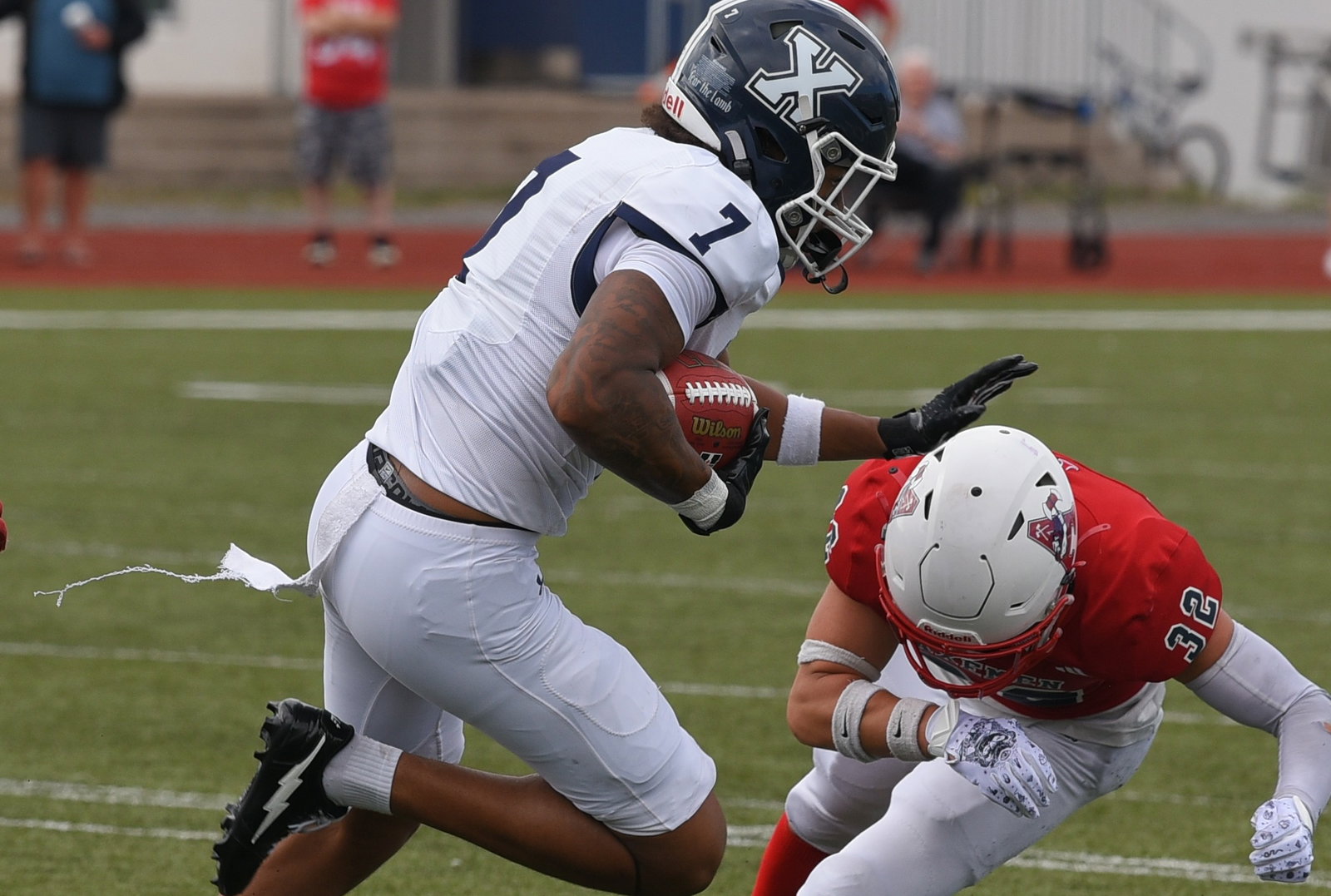
Photo courtesy: Peter Oleskevich/St. FX Athletics
REC Devaughn Blackwood, St. Francis Xavier University
An injury that erased his 2024 season meant that Blackwood arrived in Edmonton with fewer verified measurables than others. His intriguing six-foot-two, 201-pound frame presented a chance to rise up draft boards with a strong performance, but the Kanata, Ont., native failed to seize the opportunity. Unless you are physically dominant as a blocker, a 4.88-second forty-yard dash is a very hard sell for a CFL receiver prospect, and the 2025 AUS all-star also struggled to consistently catch passes in one-on-ones. Players from the Atlantic conference already face additional questions based on their level of competition, and Blackwood’s weekend won’t diminish any pre-existing biases held against him.
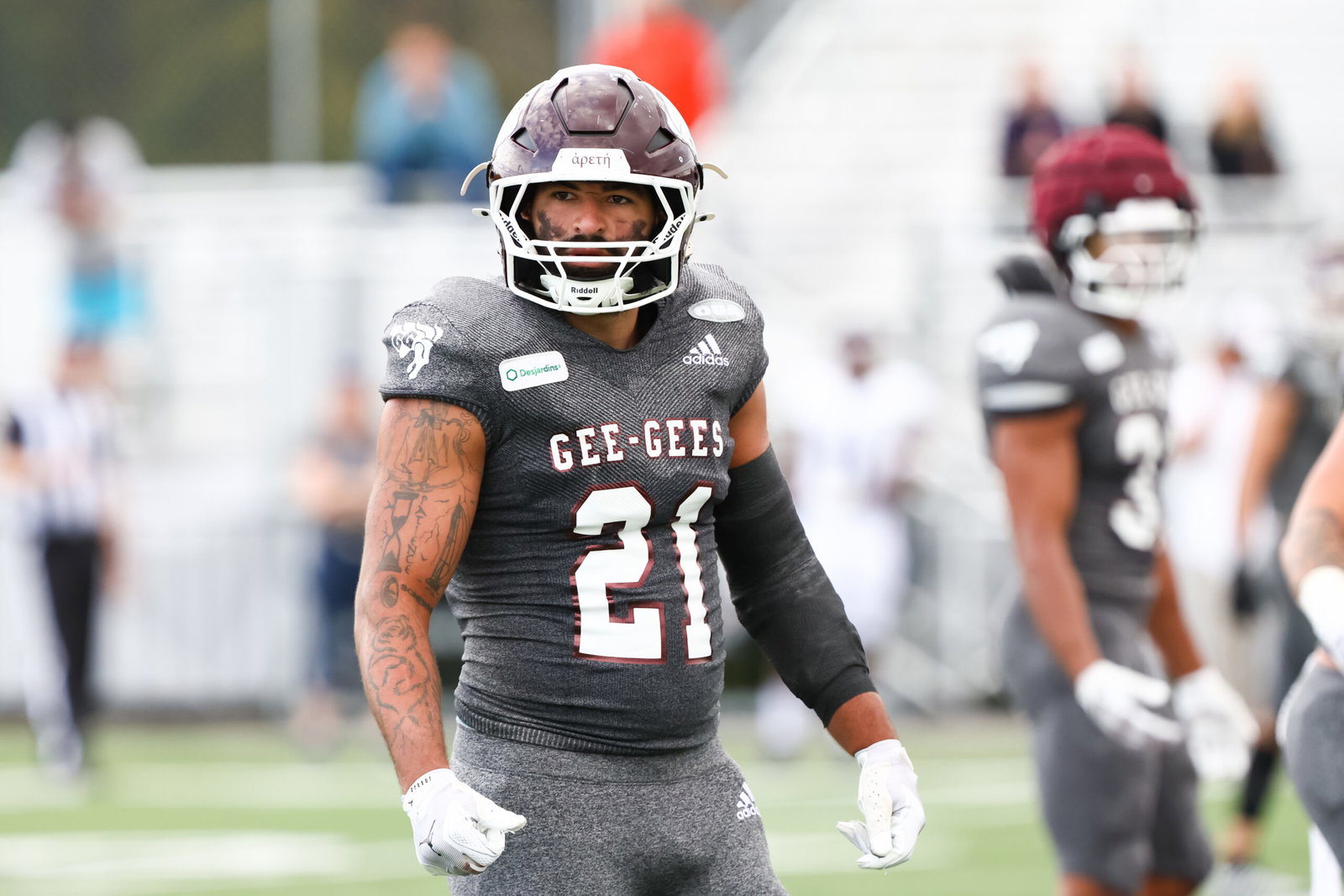
Photo courtesy: Gee-Gees Athletics
LB Jaxxon Brashear, University of Ottawa
Rightly or wrongly, a famous last name will draw more attention to a prospect at the CFL Combine, which rarely does them any favours. The son of longtime NHL enforcer Donald Brashear felt those extra eyeballs in Edmonton. Scouts weren’t necessarily surprised by his poor athletic testing, but consistently ending up near the bottom of your position group can’t be ignored. There are some evaluators who remain fans of Brashear’s physical play style and thought he assuaged concerns once the pads went on, but at an event where several less-heralded linebackers left positive impressions, it is hard not to view the OUA all-star as a faller.
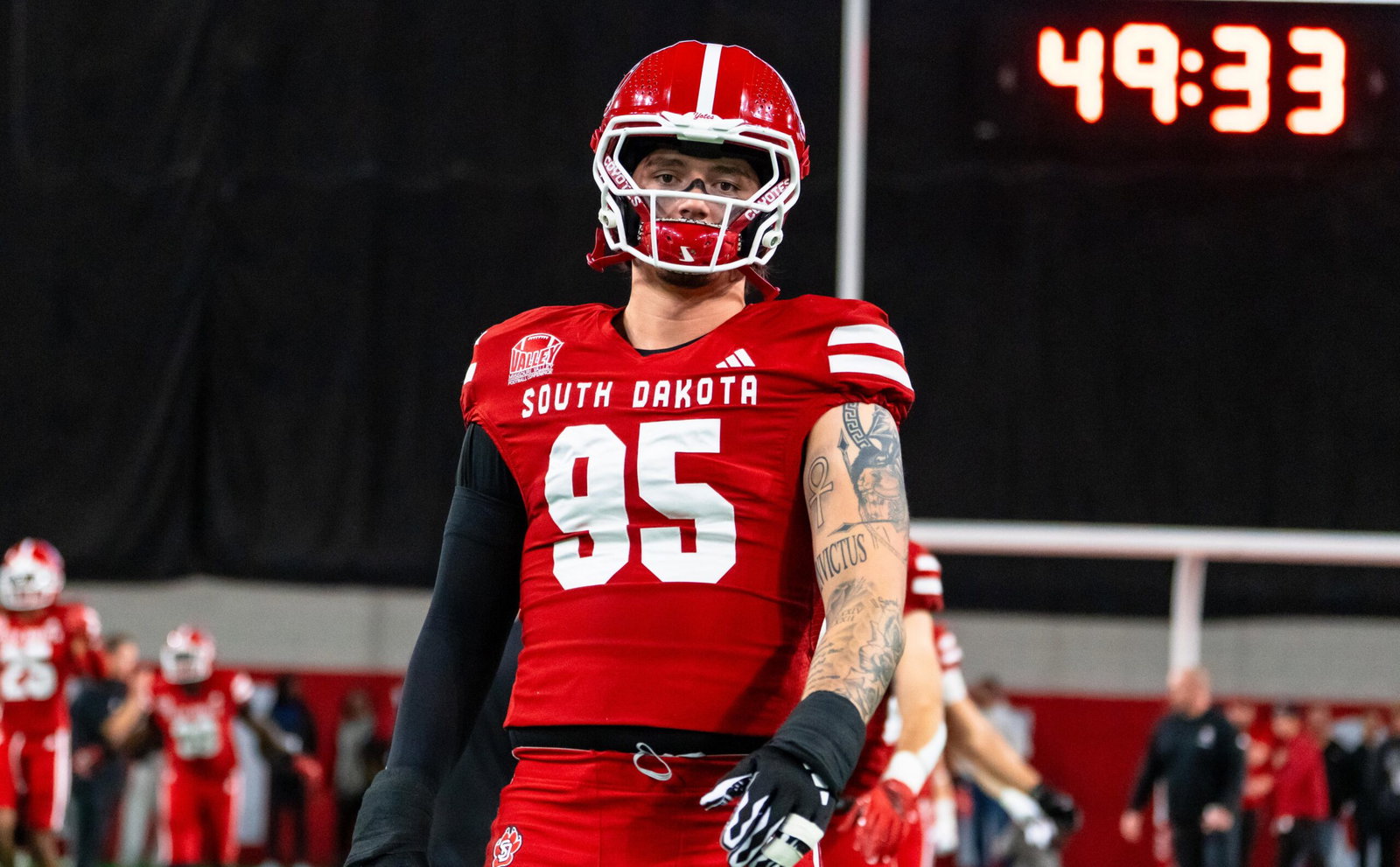
Photo courtesy: Adam Pearson/South Dakota Athletics
DL Carter Hooper, University of South Dakota
Coming out of an FCS powerhouse like South Dakota and boasting previous FBS experience at UConn, there was a quiet buzz around Hooper from the moment his six-foot-six, 257-pound frame walked into The Westin. That quickly died out once the events began, as the Burlington, Ont., posted pedestrian testing numbers and presented a limited skillset during the competitive drills. Admittedly, Hooper had a much better Sunday performance than Saturday, but his stiffness and lack of burst still led to him losing pass-rush reps against mid-tier offensive linemen from far less distinguished programs.
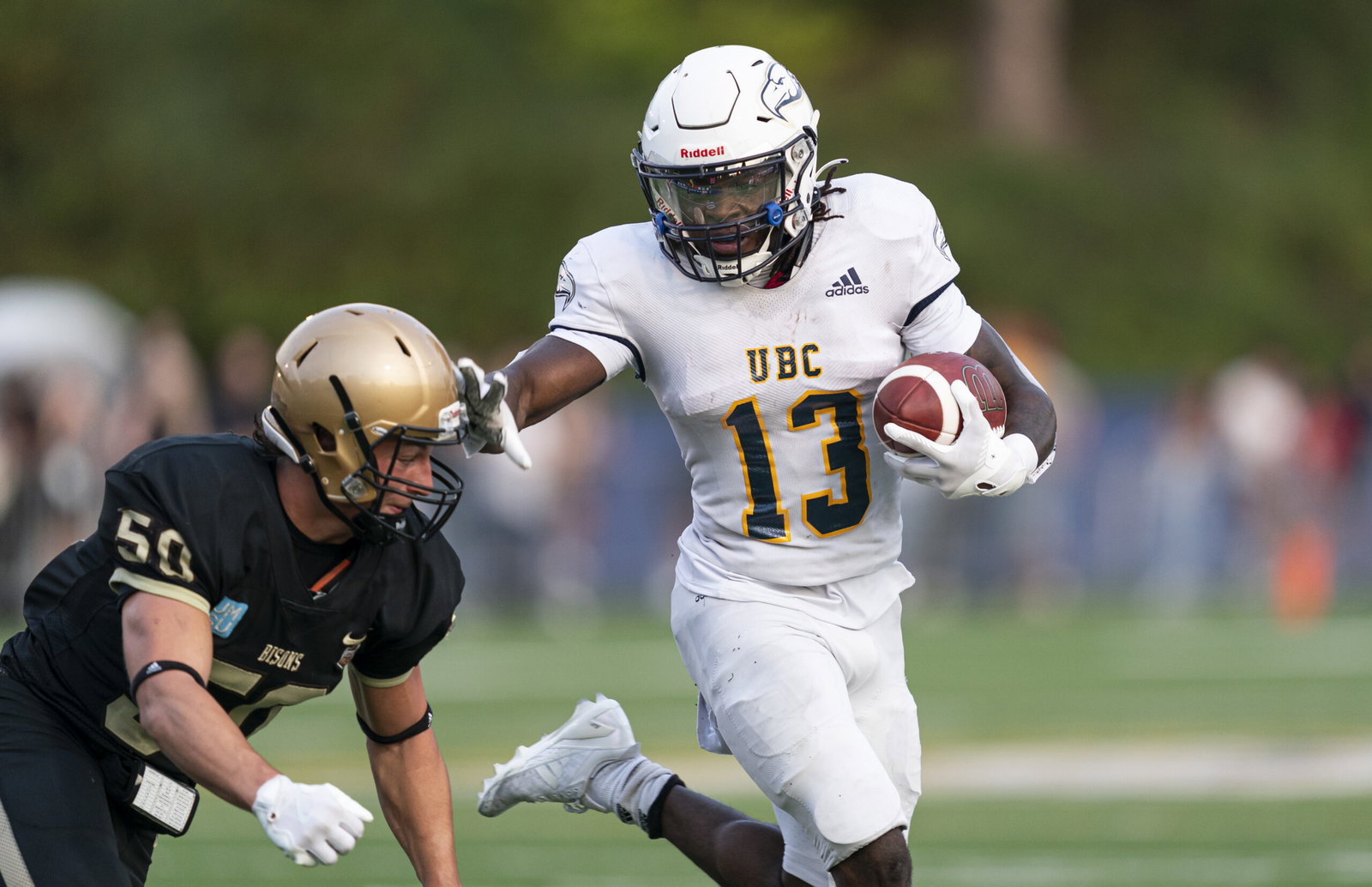
Photo courtesy: Rich Lam/UBC Athletics
REC Shemar McBean, University of British Columbia
The Thunderbirds’ star receiver may have driven himself out of the top group of receivers in this class by his approach to the Combine, rubbing some talent evaluators the wrong way. His last-minute decision not to run the forty-yard dash after posting a time of 4.5 seconds at the sparsely attended UBC Pro Day was a hot topic of discussion, as few scouts trusted the accuracy of that number and most felt it was slower than expected. The five-foot-10, 195-pound slot continued to pick and choose his moments to compete due to a tweaked hamstring, making him invisible for stretches of practice. McBean missed the chance to make any team that didn’t already view him as an elite deep threat into a believer.
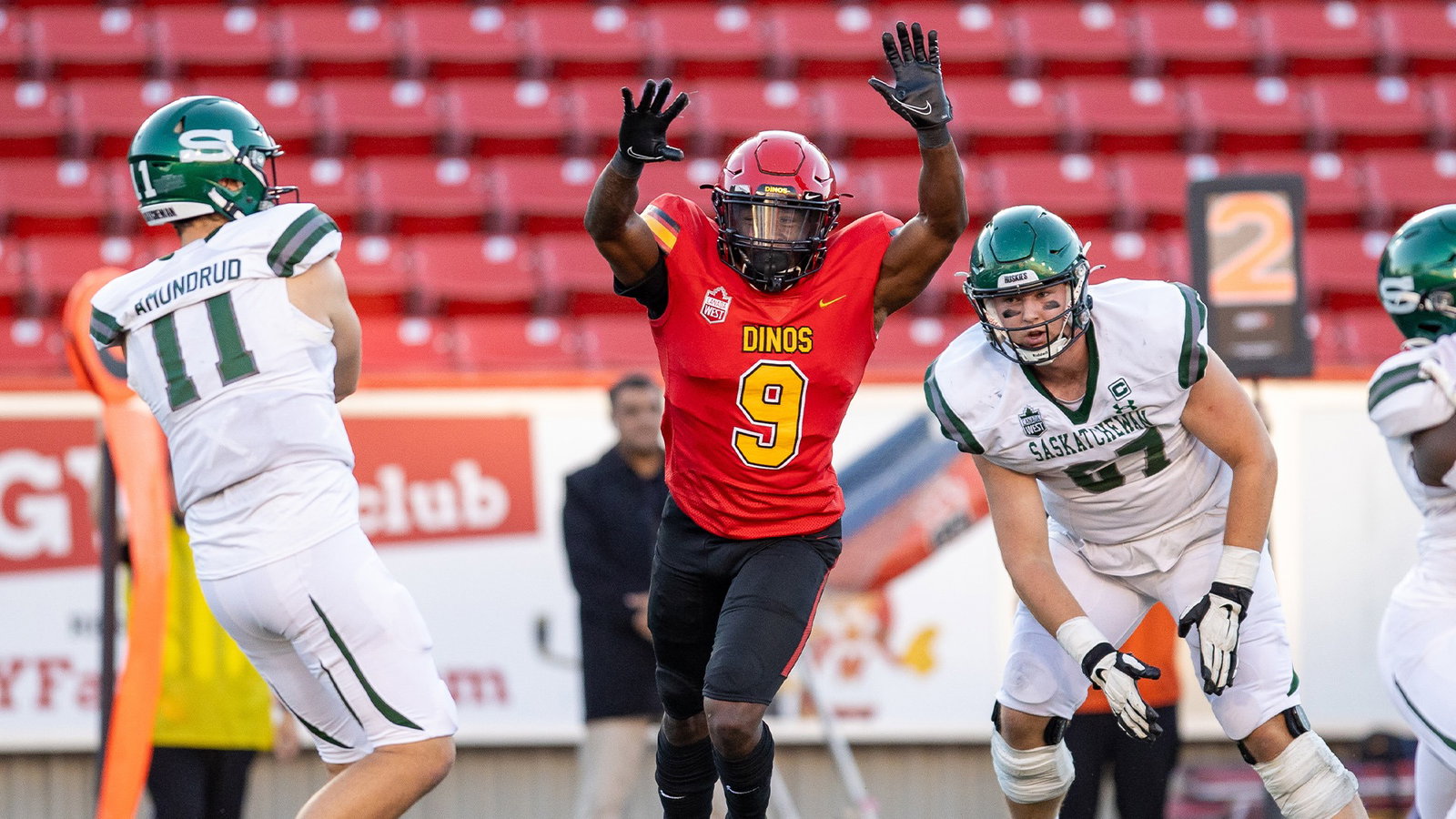
Photo courtesy: Calgary Dinos
LB Osasare Odemwingie, University of Calgary
I came away from my last live exposure to Odemwingie in January at the College Gridiron Showcase as a true believer, but there is no denying that his stock plummeted in Edmonton. The Dinos’ middle linebacker began as LB4 on some boards, but his 4.96-second forty-yard dash and 28.5-inch vertical are deeply troubling results. There weren’t as many flashes in practice as he showed down in Texas, either, which has caused considerable movement in a deep linebacker group. The high quality of the Calgarian’s tape will save him come draft day, but someone will now need to pound the table to stop him dropping into the later rounds.
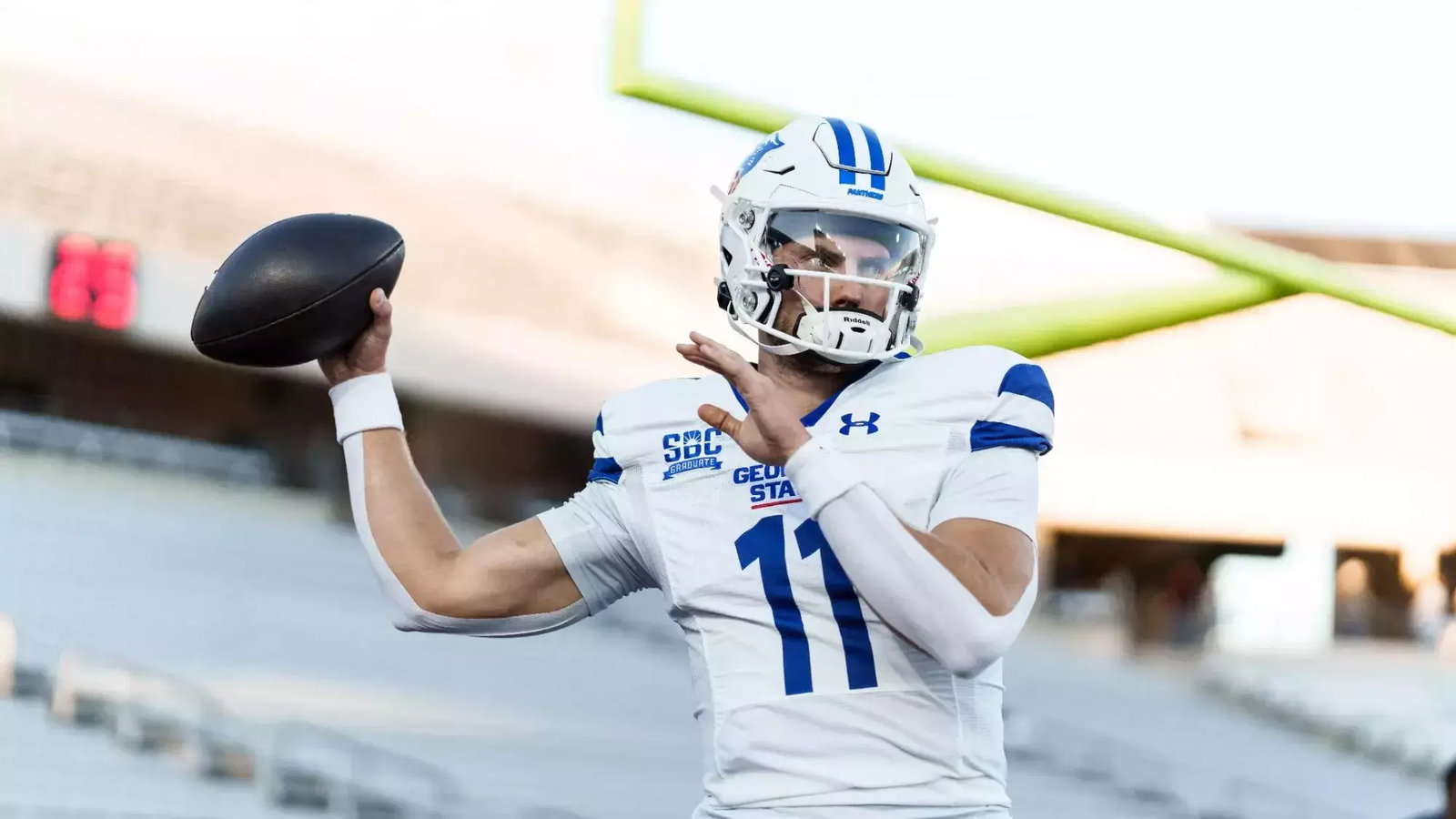
Photo courtesy: Georgia State Athletics
QB Christian Veilleux, Georgia State University
I debated whether or not it was fair to even include Veilleux on this list, as I generally avoid singling out individuals whose stock was low to begin with. However, the immense interest that fans have in the quarterback position forces my hand. The reality is that the NCAA journeyman from Ottawa showed very little in Edmonton to suggest that he could compete for a CFL roster spot. In fact, inconsistent accuracy from the quarterbacks proved to be a real challenge for the receiver hopefuls in attendance and made evaluations more difficult. The six-foot-three, 219-pound pivot’s frankness about his collegiate benchings won him points in interviews, but he also effectively demonstrated why they occurred.
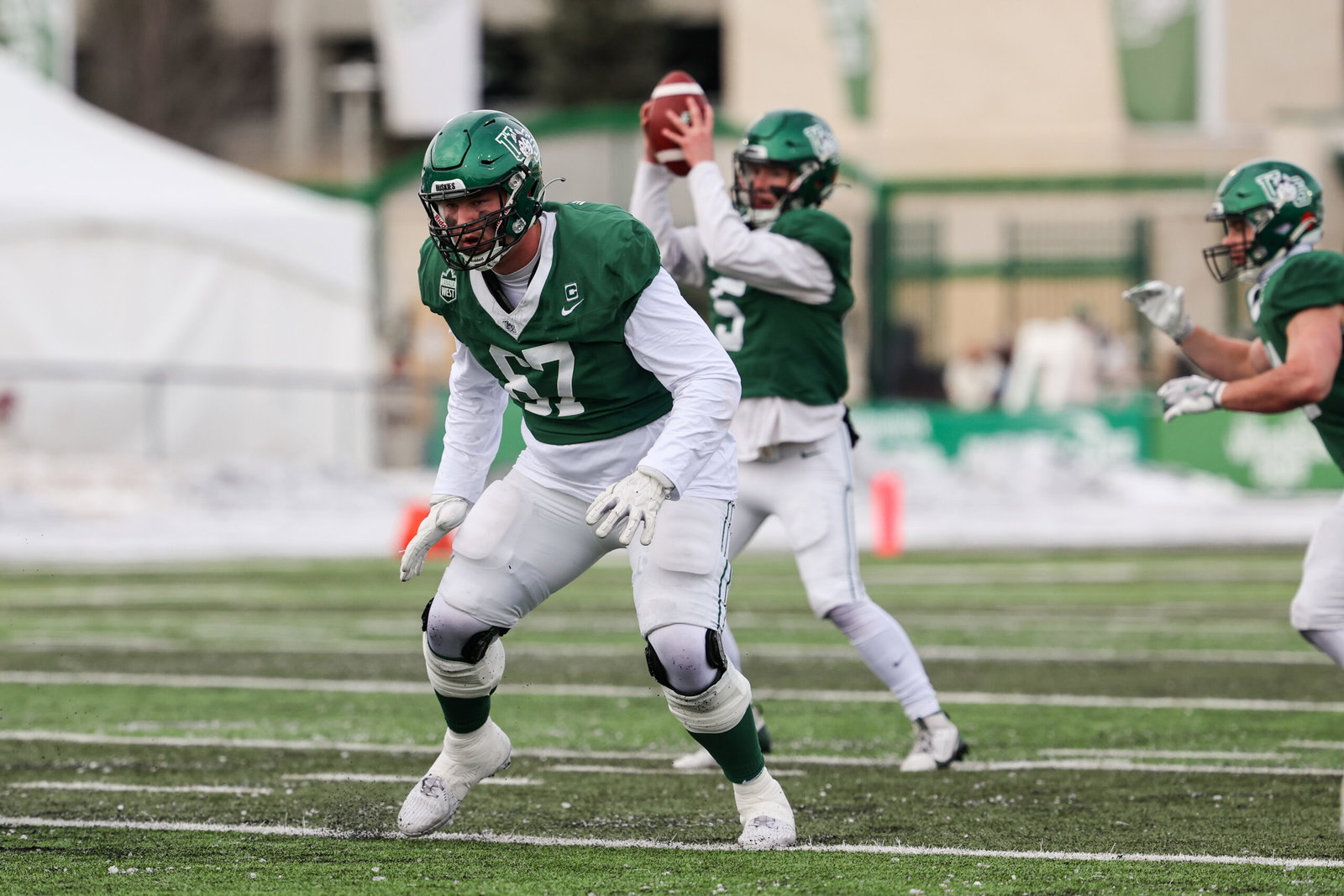
Photo courtesy: Electric Umbrella/Huskie Athletics
OL Jack Warrack, University of Saskatchewan
The fact that Warrack isn’t a strong athletic tester didn’t take teams by surprise, but putting up 12 reps on the bench press as an offensive lineman is a substantial red flag. That’s particularly true given that it was two reps fewer than he posted a year ago at East-West Bowl, raising questions about his work in the gym. You can’t dismiss the fact that the six-foot-five, 292-pound native of Strathmore, Alta., has made 43 career starts at tackle for a strong program, but his poor feet will force a move inside to guard, where his lack of strength and poor bend become greater concerns.
Photo courtesy: CFL.ca
Divisive opt-outs
Is this a cop out for not singling out a specific player? Probably, but there is nuance here, and opinions will vary on where the cut-off line is for being in this category. What every scout and coach seems to agree on is that certain players failed to take advantage of the opportunity they were afforded, and left serious unanswered questions about themselves by not fully participating in Combine drills and/or testing. This is particularly true for those players who were not stars, or even starters, at their respective schools.
To be clear, there are valid reasons for players to choose not to participate, including injury, and prospects have very little to gain financially by risking themselves in an era where contracts are slotted for rookies. Any agent worth their salt will tell you that no team is guaranteeing draft position or a rookie pay cheque to a player who gets hurt while competing, so opt-outs will continue. However, the reality is that decision makers will never be happy to see a prospect standing off to the side, preventing them from making the most informed decision possible on a choice that affects their livelihood. For those whom the tape doesn’t already flatter, that can be enough to merit a hard pass on draft day.


CFL Draft
Eight fallers from the 2026 CFL Combine
Saskatchewan Roughriders
Saskatchewan Roughriders have younger defensive ends who can be ‘outstanding’ in CFL: Corey Mace
Saskatchewan Roughriders
Video: Why the Riders paid up to sign former NFL punter and Regina native Jon Ryan
Hamilton Tiger-Cats
Why the Ticats released receiver Jalen Saunders
Edmonton Elks
Video: Are the Redmen and Eskimo nicknames racist?
From 3DownNation Reporters